Tag Archives: pcb assembly

Box Build Assembly

Box Build vs. PCB Assembly

What’s the Difference and When Do You Need Both?

When it comes to producing electronic devices, PCB assembly and box build are two essential processes that play different but complementary roles in bringing products to life. While many people are familiar with PCB assembly — where components are mounted on a printed circuit board — box build assembly takes it a step further by creating the finished product that’s ready for market.

If you’re wondering what separates a box build from PCB assembly, and when you need both services, this guide will break it down in simple terms.


What Is PCB Assembly?

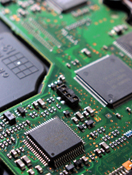
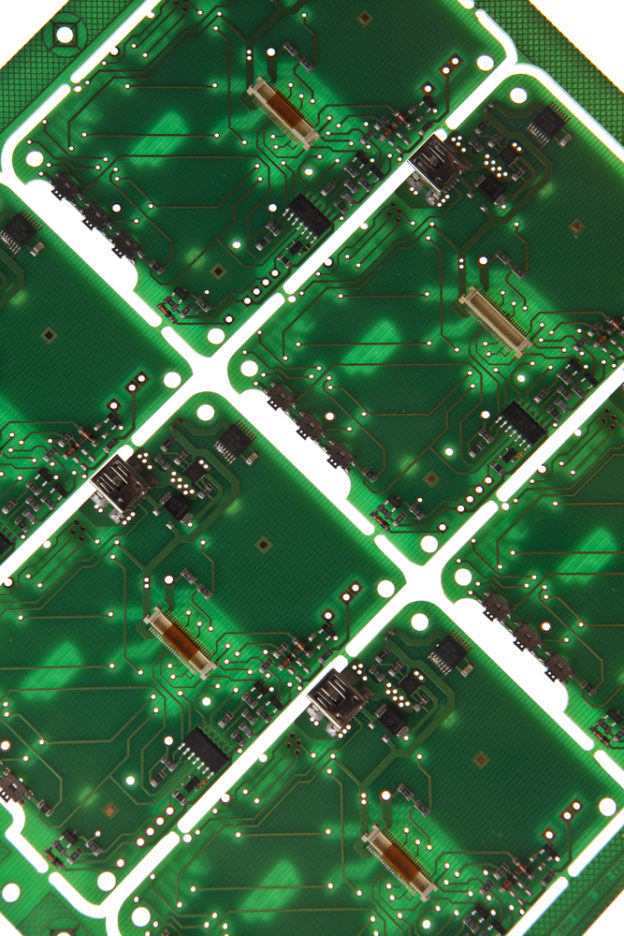
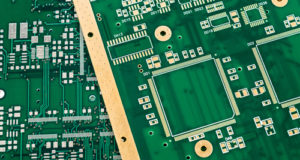
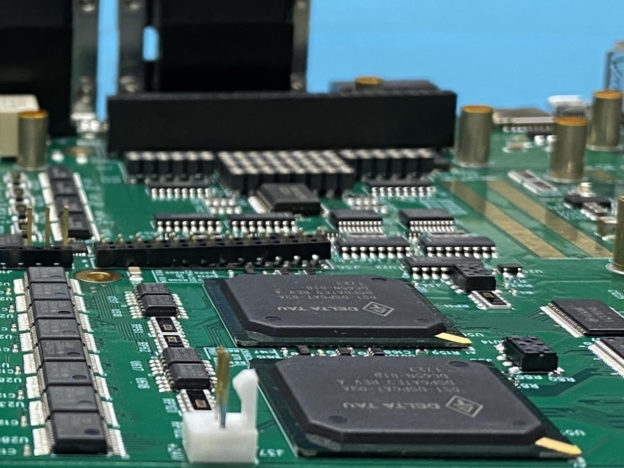
PCB assembly (Printed Circuit Board Assembly) is the process of placing and soldering electronic components like resistors, capacitors, ICs, and connectors onto a bare circuit board. This process can involve surface mount technology (SMT), through-hole technology, or a combination of both.

In short, PCB assembly focuses on the brain of the device — the electronic board that powers everything.

Key steps in PCB assembly include:

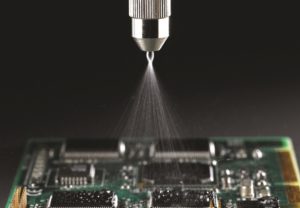
  • Solder paste application
  • Pick and place of components
  • Reflow soldering or wave soldering
  • Inspection and testing

PCB assembly is essential for any electronic device but does not complete the final product — that’s where box build comes in.


What Is a Box Build?

Box BuildA box build (also known as system integration or electronic box build assembly) involves assembling all the necessary components — including the PCB — into a finished, fully functional product.

Think of box build as the final stage of electronic manufacturing. Once your PCB is assembled, tested, and functioning, box build assembly packages everything into its enclosure, adds wiring, and includes other mechanical and electrical parts.

Key elements of box build assembly include:

  • Enclosure assembly (metal, plastic, custom housing)
  • Mounting of PCBs, displays, switches, and other modules
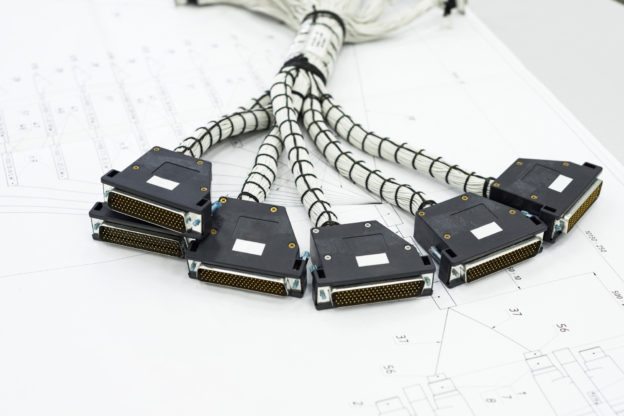
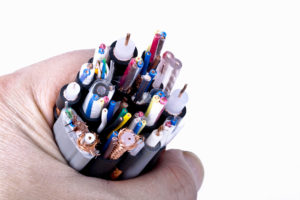
  • Wiring and cable harness assembly
  • Installing connectors, power supplies, fans, and other accessories
  • Full system testing and verification

For more about box build services, check out https://boardassembly.com/box-builds/.


Box Build vs. PCB Assembly: What’s the Difference?

Feature PCB Assembly Box Build Assembly
Focus Assembling components on a circuit board Assembling final product including PCB
Includes Only the electronic board and components PCB + wiring, housing, connectors, and more
End Result A working circuit board Fully assembled, ready-to-use product
Additional Work No enclosures, no system integration Full system integration, packaging, labeling
Testing PCB-level electrical tests System-level testing to verify total function

When Do You Need Both PCB Assembly and Box Build?

Most finished electronic products require both PCB assembly and box build to be market-ready. If you are producing any of the following, you will likely need both services:

  • Consumer electronics (smart devices, home gadgets)
  • Medical devices (monitors, diagnostic tools)
  • Industrial equipment (control panels, automation systems)
  • Telecommunication devices (routers, communication boxes)
  • IoT devices (smart sensors, connected devices)

Here’s when both services are essential:

  1. Product Readiness: If you want a product ready for sale or shipment — not just a circuit board — you need box build after PCB assembly.
  2. Complex Wiring Needs: If your device requires wiring, cable assemblies, and mechanical enclosures, a box build is necessary to integrate these parts.
  3. Testing & Compliance: Final system-level testing (functional tests, safety tests) happens during box build, ensuring the product works as intended before it reaches customers.

Why Work with a Partner Who Offers Both?

Choosing a manufacturing partner like Board Assembly that offers both PCB assembly and box build services can save time, reduce costs, and improve quality control. Here’s why:

  • Streamlined communication: Manage one relationship instead of coordinating between separate vendors.
  • Faster turnaround: PCB and box build handled under one roof means fewer delays.
  • Lower costs: Combined services often mean better pricing on components and assembly.
  • Better quality assurance: One team ensures your product is built and tested according to your specifications.

Box BuildWhile PCB assembly focuses on building the electronic board, box build assembly brings all components together into a finished, functional product. Most companies need both services to ensure their devices are ready for customers.

If you’re looking for a reliable partner for box builds and PCB assembly, Board Assembly has the expertise to handle your project from start to finish — simplifying your production process and delivering high-quality results.

Contact Us to Learn More

➡️ Ready to start your next electronic box build or PCB assembly project? Contact Board Assembly today to discuss how we can help streamline your manufacturing and bring your product to life!

ACME Go Green for the Environment

ACME PCB Assembly: A Greenhouse for Sustainable Electronic Manufacturing

BGA assemblyACME PCB Assembly is setting a remarkable example of sustainability in electronic manufacturing by leveraging renewable energy. Their solar panel system, which generates 64.2KW, offers incredible environmental benefits. Over the next 30 years, this PV system is projected to offset 4,136,092 pounds of CO2 emissions, reduce particulates linked to asthma by 817 pounds, and equate to taking 21.8 cars off the road for 25 years or planting 35.5 acres of trees. Impressive, isn’t it? A well-deserved round of applause for ACME PCB Assembly!

The drive to “go green” stems from more than just a desire to conserve nature. It’s about fostering economic growth, ensuring social and physical well-being, and securing a sustainable future. As industries like electronics heavily rely on natural resources, the shift to eco-conscious practices is both necessary and urgent.

According to EcoWatch, the depletion of resources vital to powering economies and improving livelihoods is an escalating environmental and economic concern. Non-renewable materials, essential for many industries, are being exhausted at alarming rates. Even renewable resources face challenges, as their replenishment often requires significant time. The experts emphasize the pressing need for industries to adopt sustainable strategies to mitigate these risks.

Why Sustainability Matters

The electronics industry relies heavily on natural resources, making the shift to sustainable practices both urgent and necessary. According to environmental experts, the depletion of non-renewable resources is accelerating, while even renewable resources require significant time to replenish. Without action, industries risk exhausting the materials vital to powering economies and improving livelihoods.

At ACME PCB Assembly, we recognize this challenge and are taking proactive steps to address it. By adopting green manufacturing practices, we’re not only conserving resources but also inspiring others to follow suit.

Join the Green Revolution

Sustainability is the future of manufacturing, and ACME PCB Assembly is leading the way. By leveraging renewable energy and eco-friendly processes, we’re proving that innovation and environmental responsibility go hand in hand.

Learn more about how we’re transforming electronic manufacturing at ACME PCB Assembly. Together, we can build a greener, more sustainable future.

At ACME PCB Assembly, sustainability is not just a buzzword—it’s an operational standard. By integrating green practices into their processes, they are not only reducing their ecological footprint but also inspiring others to follow suit.

Curious to learn more about how ACME PCB Assembly is leading the way in green electronic manufacturing? Contact us today and discover how sustainability can power innovation.

Contact us for more information how we go green in our processes.  


Flexible Circuit board

An Overview of Constantan in Flexible Circuit Boards

The electrical and thermal conductivity that copper creates makes it an obvious choice as a conductor in printed circuit board (PCB) construction, but in many applications that require flexible circuit boards, copper alloy metals can be far better to use. Some of those applications include using conditions of extreme heat or cold, where copper’s low resistance becomes a liability. Constantan is an alloy consisting of 55% copper and 45% nickel, this is one of several metals that has been proven effective for its higher resistance and lower thermal conductivity. Constantan used in flexible PCBs is an ideal choice for many applications.

Flexible circuit

Constantan is the oldest and most commonly used of what are known as “strain gauge alloys,” which are metals used to measure how materials react to stress from various forces. These alloys have become very important to the construction of many flexible circuits. Flex circuit boards are often designed for technologies that operate in harsh environments and require a high density of circuitry in enclosures with limited space. The market demand for flex PCBs that can withstand high temperatures has increased as such components are routinely used in oil drilling, semiconductor processing, medical diagnostic technology, and the construction of airplanes and defense systems.

Flexible circuits are small and light when compared with rigid PCBs and cable bundles. Flex circuits fit into many tight spaces, they can also bend around corners, and can better withstand vibration, high pressure, and extreme temperatures. They take up 75% less space than rigid PCBs and can be designed to accept virtually any necessary connectors. This makes flexible circuit boards ideal for many defense, medical, and aerospace technologies, like cryogenics, infrared imaging, and the construction of satellites, which often must withstand temperatures down to -150°F and up to 550°F.

Flex circuits can be printed single- or double-sided, multi-layer, or in combinations of rigid and flexible boards. All require unique processing in their fabrication. The choice for many designs includes thin, durable, material like Constantan in flexible PCBs. Constantan’s resistance remains stable across an extreme range of temperatures as well as in high pressure and other stressful situations. These qualities, plus its relatively low cost, have made Constantan foil a desirable conductive material for flex PCBs designed for hostile operating environments and rugged electronics.

In addition to solving the problem of thermal conductivity due to extreme external temperatures, Constantan in flexible PCBs can help maintain long-term reliability in situations when internal temperatures remain high. As electronics become faster and smaller, they require innovative designs and materials to deal with heat buildup. Along with the effective design of heat sinks and air flows, the use of Constantan as a conductor can lower thermal conductivity in flexible PCBs.

Made in CA

PCB Assembly: Domestic VS Foreign

Domestic PCB assembly houses are a much better alternative to foreign contract manufacturers. Domestic PCB assembly firms have a multitude of benefits.

• Key advantages include better quality assurance as well as the confidentiality of your intellectual property. Quality comes into question when outsourcing printed circuit board assembly as the firms located overseas may not have proper qualifications to handle your product. There is a growing problem of IPs being appropriated by non-legitimate organizations overseas, and one surefire way to minimize that risk is to find a trustworthy, reliable, and IPC A-610 certified company like ACME PCB Assembly to build your products.

• By outsourcing work overseas, one is typically trying to lower the cost of labor. However, lowering the cost of labor by outsourcing overseas can incur higher transportation costs. Outsourcing PCB assembly overseas is only viable in very few situations. A firm would need a product that has high volume runs with longer lead times and repeat jobs to even consider this method. Any other job, from prototyping to batch production, are better off done domestically as quality would remain the focus.

• Another advantage is that it would be significantly easier to communicate domestically as opposed to abroad. There are twenty-four time zones across the globe, and keeping track of which vendor or customer is in working hours could be a hassle to deal with. Language barriers are also an obstacle while outsourcing to businesses. Although many countries around the globe speak English, people with lower proficiencies could cause issues in communication and result in misunderstandings.

Call 310-715-1898 or email steve@acme-pcbassembly.com for a free quote.

Go to https://boardassembly.com for more information about ACME PCB Assembly and the services we provide.

Box Build

ACME Provides Quick Turnaround Service Time on Prototype Assembly Service

ACME PCB Assembly provides a quick turnaround time on all PCB prototype assembly service. There is no order too small, we offer 1-piece board with 1-day assembly lead time. ACME guarantees an on-time delivery of rapid PCB assembly service.

ACME PCB Assembly does not involve itself with ITAR project, therefore, we are more flexible on PCB Assembly for prototyping, small run productions, and medium quantity sets of PCB assembly with much affordable assembly cost. We can process several dozens of different products weekly. ACME PCB Assembly is aimed on small to medium volume assembly and specializes on low volume high mix boards.

Our technical capabilities can cover machine placed SMT components as small as 01005, fine-pitch BGA, QFN board.  We have earned the good recommendations from our customers through the excellent services we have provided.

Wesley Dwelly – Dec. 2019

Printed Circuit Board FabricationI am the CTO at VAWD APPLIED SCIENCE & TECHNOLOGY. We have worked with ACME PCB on several projects. The PCB’s include, thru-hole and surface mount components ranging from power connectors to high density FPGAs with large pin count BGAs along with very fine pitch connectors and QFN’s. Their work has always been high quality and flawless. ACME is more like a design partner than an assembly house. ACME performs a detailed pre-assembly inspection that has saved us lots of money and time by finding footprint and part number issues that would have created costly rework or even scraping the PCB’s. This partnership is critical for efficient circuit board development and we highly recommend ACME PCB for even the most complex designs.

Timothy Jones – Oct. 2019

ACME recently built 25 sets of 3 different board designs for me. All were lead free. One had surface mount components on both sides. Some components were fine pitch QFN packages. ACME also supplied the PCBs from our original design files. This was our first post prototype production. The result was zero defects and zero problems of any note. On top of that, Stephen, Alice, and others at ACME were pleasant to deal with, timely, and very responsive. I sincerely appreciate your high-quality service. Thank you very much.

Reid Harrison – July 2019

I have used Acme for over four years, and they have done outstanding work for us on challenging projects. Their technical ability and quality control are top notch, and they really take the time to respond to customers’ needs. Very professional, and high-quality work with no missed deadlines, in my experience.