Tag Archives: pcb assembly

Printed Circuit Board Fabrication

Printed Circuit Board Manufacturing vs. PCB Assembly: Understanding the Difference

There Are Differences Between Printed Circuit Board Manufacturing and Printed Circuit Board Assembly, But You Might Be Asking What Are They?

In the world of electronics, the terms Printed Circuit Board (PCB) Manufacturing and PCB Assembly are often used interchangeably—but they actually refer to two distinct processes. Understanding the difference is essential when choosing the right partner for your electronic product development.

At Yun Industrial / ACME PCB Assembly, we specialize in both PCB manufacturing and assembly services, ensuring customers receive complete, end-to-end solutions with unmatched quality and precision.

What Is PCB Manufacturing?

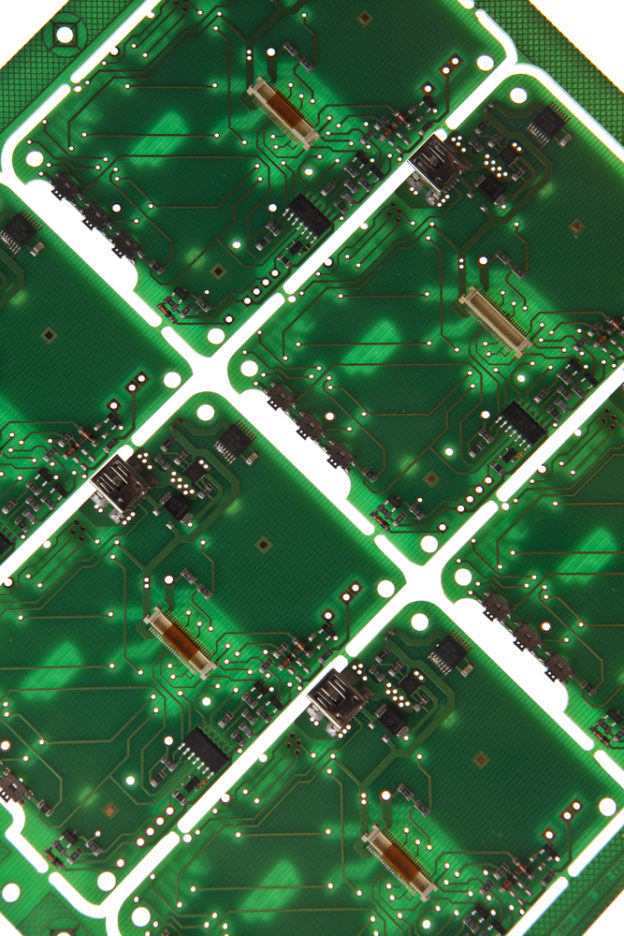
PCB manufacturing is the process of creating the physical printed circuit board from scratch. This involves several intricate steps, including:

  • Designing the board layout using CAD software

  • Creating a PCB prototype to test design accuracy

  • Layering copper and insulating materials to form conductive paths

  • Etching, drilling, and plating to create traces and vias

  • Applying solder masks and silkscreens for protection and labeling

Essentially, PCB manufacturing is about producing the bare board—the foundation that will later hold the electronic components. This stage requires high-precision machinery and engineering expertise to ensure the final board meets performance, safety, and durability standards.

What Is PCB Assembly?

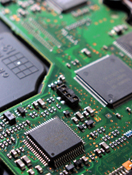
Once the bare board is manufactured, the next step is PCB assembly (PCBA). This is where the circuit board comes to life. The process involves soldering electronic components—such as resistors, capacitors, IC chips, and connectors—onto the PCB according to the design specifications.

PCB assembly can use Surface Mount Technology (SMT), Through-Hole Technology (THT), or a combination of both, depending on the application. This stage requires precise placement, temperature control, and soldering quality to ensure reliable electrical connections and functionality.

ACME PCB Assembly: Your One-Stop PCB Partner

At Yun Industrial ACME PCB Assembly, we provide both manufacturing and assembly services, eliminating the need to work with multiple vendors. As an ISO 9001:2015 certified Electronics Manufacturing Service (EMS) provider and IPC A-610 certified trainer, we uphold the highest industry standards for quality and reliability.

Every PCB we produce meets the strict guidelines of IPC 600, ensuring consistency, durability, and peak performance. Whether you need a prototype or large-scale production, ACME delivers the best value, competitive pricing, and on-time delivery—every time.

Contact us today to learn more about how ACME PCB Assembly can bring your next project from concept to completion.

Contact us today to learn more.

Flexible Circuit board

An Overview of Constantan in Flexible Circuit Boards

The electrical and thermal conductivity that copper creates makes it an obvious choice as a conductor in printed circuit board (PCB) construction, but in many applications that require flexible circuit boards, copper alloy metals can be far better to use. Some of those applications include using conditions of extreme heat or cold, where copper’s low resistance becomes a liability. Constantan is an alloy consisting of 55% copper and 45% nickel, this is one of several metals that has been proven effective for its higher resistance and lower thermal conductivity. Constantan used in flexible PCBs is an ideal choice for many applications.

Flexible circuit

Constantan is the oldest and most commonly used of what are known as “strain gauge alloys,” which are metals used to measure how materials react to stress from various forces. These alloys have become very important to the construction of many flexible circuits. Flex circuit boards are often designed for technologies that operate in harsh environments and require a high density of circuitry in enclosures with limited space. The market demand for flex PCBs that can withstand high temperatures has increased as such components are routinely used in oil drilling, semiconductor processing, medical diagnostic technology, and the construction of airplanes and defense systems.

Flexible circuits are small and light when compared with rigid PCBs and cable bundles. Flex circuits fit into many tight spaces, they can also bend around corners, and can better withstand vibration, high pressure, and extreme temperatures. They take up 75% less space than rigid PCBs and can be designed to accept virtually any necessary connectors. This makes flexible circuit boards ideal for many defense, medical, and aerospace technologies, like cryogenics, infrared imaging, and the construction of satellites, which often must withstand temperatures down to -150°F and up to 550°F.

Flex circuits can be printed single- or double-sided, multi-layer, or in combinations of rigid and flexible boards. All require unique processing in their fabrication. The choice for many designs includes thin, durable, material like Constantan in flexible PCBs. Constantan’s resistance remains stable across an extreme range of temperatures as well as in high pressure and other stressful situations. These qualities, plus its relatively low cost, have made Constantan foil a desirable conductive material for flex PCBs designed for hostile operating environments and rugged electronics.

In addition to solving the problem of thermal conductivity due to extreme external temperatures, Constantan in flexible PCBs can help maintain long-term reliability in situations when internal temperatures remain high. As electronics become faster and smaller, they require innovative designs and materials to deal with heat buildup. Along with the effective design of heat sinks and air flows, the use of Constantan as a conductor can lower thermal conductivity in flexible PCBs.

pcb assembly integrated circuit

The Importance of Lead-Free Assembly in Modern Electronics Manufacturing

As environmental regulations and sustainability goals drive global industry standards, lead-free assembly has become a cornerstone of responsible electronics manufacturing. Adoption of lead-free soldering techniques not only ensures regulatory compliance but also supports safer products and a healthier environment.

Lead-free assembly refers to production processes that eliminate the use of lead in solder and component finishes. Mandated by regulations such as RoHS compliance (Restriction of Hazardous Substances), this practice helps reduce toxic waste from electronic products at end-of-life. Customers and brands alike prioritize eco-friendly electronics, making lead-free assembly critical for market access and corporate responsibility.

One of the primary benefits of lead-free assembly is its environmental impact. Electronics that avoid lead reduce harmful contamination in landfills and recycling streams. Because electronics components often contain multiple materials, minimizing toxic substances simplifies recycling and supports circular manufacturing principles. BoardAssembly.com’s lead-free assembly options align with green manufacturing goals, making your products more appealing to eco-conscious consumers.

Lead-free processes also support workplace safety. Exposure to lead during assembly can pose health risks to workers. By transitioning to lead-free materials and soldering, manufacturers create a safer production environment. Proper training and equipment help ensure smooth integration of these processes without sacrificing quality or efficiency.

Electronic circuit boardDespite its advantages, lead-free assembly presents challenges. Lead-free solders typically have higher melting points, requiring adjustments in thermal profiles and equipment calibration. These differences demand skilled technicians and careful process validation to prevent defects such as tombstoning or poor wetting. Partnering with experienced manufacturers who specialize in PCB assembly and lead-free soldering helps mitigate these risks and achieve reliable outcomes.

For companies aiming to enter global markets, lead-free assembly is often non-negotiable. Many customers — from consumer electronics to industrial systems — require products that comply with international environmental standards. Choosing a manufacturing partner that understands compliance, documentation, and testing procedures ensures your products meet regulatory expectations.

In addition to environmental and compliance benefits, lead-free assembly can enhance brand reputation. Businesses that adopt sustainable practices differentiate themselves in crowded markets, appealing to partners and end users who value responsible manufacturing.

Ultimately, lead-free assembly reflects a broader commitment to ethical electronics production. Whether through component selection, process adjustments, or continuous quality monitoring, manufacturers play a key role in supporting sustainable technology ecosystems. For reliable lead-free assembly solutions that uphold quality and compliance, visit BoardAssembly.com and explore their comprehensive PCB assembly offerings.

Turnkey Yun Industrial

Why Contract Electronics Manufacturing Services Are Critical for Product Success

In today’s competitive electronics market, companies increasingly turn to contract electronics manufacturing services (CEMS) to ensure high-quality production while keeping costs under control. Whether you’re launching a new product or scaling an existing design, choosing the right electronics manufacturing partner can make the difference between success and delays.

A core benefit of contract electronics manufacturing services is streamlined production. Specialized contract manufacturers have refined workflows, automated inspection systems, and strong vendor relationships that result in faster turnaround times. BoardAssembly.com offers comprehensive solutions that include design support, material sourcing, and PCB assembly, all coordinated to meet your schedule and budget.

smt technology chipAnother major advantage is improved supply chain management. Manufacturers with extensive industry experience can source components more efficiently and navigate global supply fluctuations. Contract electronics manufacturing partners monitor market conditions, secure parts early, and prevent costly production bottlenecks. This support is especially beneficial when demand spikes or tight lead times emerge.

Contract manufacturers also enhance quality and compliance. By leveraging robust testing protocols, including in-circuit testing and functional validation, they reduce the risk of field failures. Strong quality management systems assure that products meet industry standards and client specifications. BoardAssembly’s commitment to quality means reliable outcomes you can trust.

For many organizations, outsourcing manufacturing allows internal teams to focus on core competencies such as R&D and marketing. With a trusted CEMS provider handling production logistics, engineering teams have more time to innovate. This partnership approach also fosters scalability — whether you need low-volume prototyping or high-volume production, a contract manufacturing service adapts to your needs.

When evaluating providers, look for transparent pricing, clear communication, and strong technical support. Success in electronics manufacturing depends on collaboration and continuous improvement. With data-driven insights and proactive project management, the right contract electronics manufacturing services partner supports long-term growth.

If sustainability and regulatory compliance are priorities, ensure that your contract partner adheres to environmental and industry standards. Certifications, traceability, and documented processes reflect a commitment to excellence.

In summary, contract electronics manufacturing services help businesses reduce costs, accelerate time to market, and enhance product quality. As technologies evolve and consumer expectations rise, outsourcing production to experts becomes an increasingly strategic decision. BoardAssembly.com stands ready to deliver tailored manufacturing services that align with your product goals and operational requirements.

BGA inspection

The Critical Role of BGA Assembly in High-Performance Electronics

When designing high-performance electronic devices, engineers often choose advanced packaging techniques like Ball Grid Array (BGA) assembly to achieve greater functionality and improved electrical performance. BGA packages provide higher interconnect density, better thermal and electrical characteristics, and superior reliability compared to traditional pin-based components — making them a staple in cutting-edge electronics.

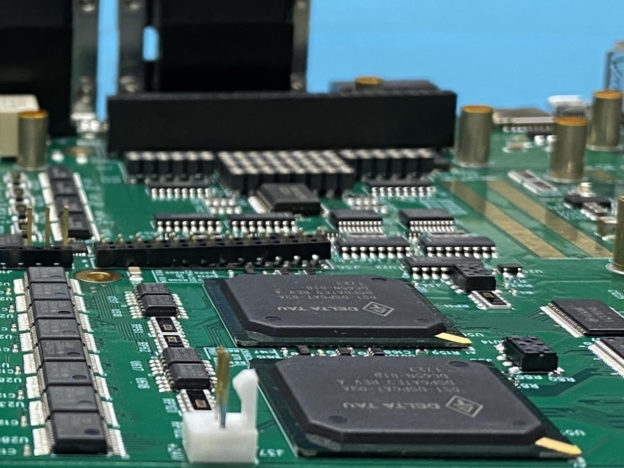
BGA assembly services play a critical role in bringing modern electronics to life. Unlike conventional leads or flat contacts, BGA components feature a grid of tiny solder balls on the underside that connect directly to a PCB’s pads. This structure enables a higher number of I/O connections in a smaller footprint, driving miniaturization and performance in industries such as telecommunications, automotive systems, and consumer electronics.

BGA-boardsOne of the primary advantages of BGA components is their enhanced electrical performance. By placing solder connections directly beneath the package, signals travel shorter distances with reduced parasitics, which boosts signal integrity. Improved thermal performance also helps distribute heat efficiently — critical for processors, FPGAs, and high-speed RF modules.

Despite the performance benefits, BGA assembly requires precise control over solder paste application, component placement, and reflow profiles. Sophisticated assembly equipment and experienced technicians are required to ensure consistent solder joints and prevent defects such as tombstoning, voids, or misalignment. Partnering with a specialized provider like BoardAssembly guarantees access to advanced reflow ovens, inspection technology, and process expertise.

A key part of successful BGA manufacturing is inspection. Traditional visual checks are insufficient for BGA joints, as solder connections are hidden beneath the package. Instead, assembly partners rely on X-ray inspection and automated optical inspection (AOI) to detect bridging, voids, or incomplete connections — ensuring boards meet performance and reliability expectations.

Integrating BGA assembly with broader electronic manufacturing services (EMS) creates a seamless workflow from prototyping to full production. Collaborating with an EMS provider ensures that BGA components are incorporated alongside SMT and thru-hole parts, managed within a controlled supply chain and supported by quality systems.

When considering a BGA assembly partner, engineers should explore capabilities such as process traceability, compliance with industry standards, and experience handling complex designs. These factors reduce risk and improve production outcomes, especially for mission-critical applications.

In summary, BGA assembly services are essential for high-density, high-performance PCB manufacturing. Leveraging experienced assembly partners and advanced inspection tools enables engineers to push design boundaries while maintaining reliability and manufacturability. Discover BoardAssembly’s BGA assembly capabilities at https://boardassembly.com/bga-assembly/.