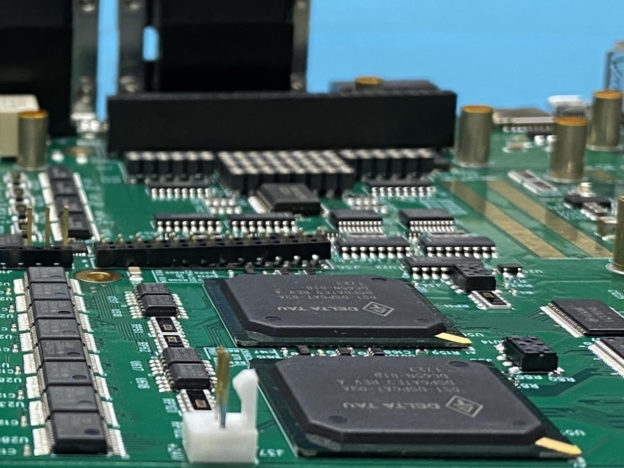
In today’s rapidly evolving technology landscape, electronic products are becoming smarter, faster, and more advanced than ever before. From consumer electronics and industrial automation equipment to medical devices, automotive systems, and telecommunications products, virtually every electronic innovation begins with one essential component—a high-quality Printed Circuit Board (PCB).
Choosing the right PCB fabrication partner is one of the most important decisions a company can make during product development. The quality of the fabricated circuit board directly impacts product reliability, manufacturing efficiency, and long-term performance. At ACME PCB Assembly, we help customers simplify this process by matching every project with the PCB fabrication solution that best fits its technical requirements, budget, and production schedule.
Why PCB Fabrication Matters
PCB fabrication is the process of manufacturing the bare circuit board that serves as the foundation for electronic components. Before a board can be assembled with resistors, capacitors, integrated circuits, and connectors, it must first be fabricated to precise engineering specifications.
Modern PCB fabrication involves multiple highly controlled manufacturing processes, including:
- Layer construction
- Copper etching
- Drilling
- Plated through-hole processing
- Surface finishing
- Solder mask application
- Silkscreen printing
- Electrical testing
- Final inspection
Every step must meet strict quality standards to ensure the finished PCB performs reliably in its intended application.
Finding the Right PCB Fabrication Partner
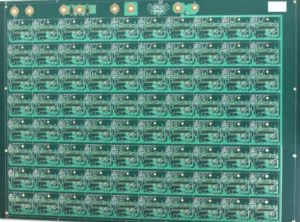 Not every PCB fabrication facility specializes in the same types of circuit boards. Some manufacturers focus on quick-turn prototypes, while others specialize in high-volume production, multilayer boards, flexible circuits, or high-density interconnect (HDI) technology.
Selecting the wrong fabrication partner can result in unnecessary delays, increased costs, or manufacturing challenges.
At ACME PCB Assembly, we remove the guesswork by helping customers select the most appropriate fabrication facility for every project. We currently work with more than ten trusted domestic and offshore PCB fabrication partners, allowing us to match each new project with the supplier best equipped to meet its unique requirements.
This flexible approach allows us to support a wide variety of industries and applications while maintaining exceptional quality and competitive pricing.
Complete PCB Fabrication and Assembly Solutions
One of the biggest advantages of working with ACME PCB Assembly is our ability to provide complete electronics manufacturing solutions. Instead of coordinating multiple vendors, customers can rely on a single experienced partner from fabrication through final assembly.
Our services include:
- PCB fabrication
- PCB assembly
- Component sourcing
- Surface Mount Technology (SMT) assembly
- Through-hole assembly
- Mixed-technology assembly
- Prototype PCB services
- Functional testing
- Quality inspection
- Final product assembly
Managing every phase of production under one coordinated process helps reduce lead times, improve communication, and simplify project management.
Supporting Everything from Prototypes to Production
Whether you’re developing a brand-new product or preparing for full-scale manufacturing, ACME PCB Assembly has the experience and resources to support your production goals.
We manufacture:
- Prototype printed circuit boards
- Quick-turn PCB fabrication
- Low-volume production
- Medium-volume manufacturing
- Multilayer PCBs
- Rigid printed circuit boards
- Custom electronic assemblies
Our rigid PCB assembly capabilities support circuit boards ranging from 2-layer to 26-layer designs, allowing us to manufacture products for increasingly sophisticated electronic applications.
Our advanced production equipment can also accurately place miniature components as small as 01005 packages while supporting fine-pitch Ball Grid Array (BGA) assemblies measuring 5 mm x 5 mm.
Additional Value-Added Manufacturing Services
In addition to PCB fabrication and assembly, ACME PCB Assembly provides several specialized manufacturing services that help customers complete projects more efficiently.
These include:
- PCB conformal coating services
- Prototype assembly
- Low-pressure injection molding
- Product finishing
- Custom manufacturing support
Providing these additional capabilities allows customers to consolidate multiple manufacturing operations into one trusted supplier, saving both time and production costs.
Quality You Can Depend On
Quality remains one of the most important considerations in PCB fabrication. Every circuit board must meet exact electrical and mechanical specifications before it moves into assembly.
ACME PCB Assembly is an ISO 9001-certified Electronics Manufacturing Services (EMS) provider, demonstrating our commitment to maintaining consistent manufacturing processes and delivering dependable products. We work exclusively with carefully evaluated domestic and offshore manufacturing partners who meet our strict quality requirements.
Each production run undergoes thorough inspections throughout the manufacturing process to help ensure every PCB meets customer specifications before delivery.
Experience That Builds Long-Term Partnerships
With more than 25 years of experience in PCB fabrication and electronics manufacturing, ACME PCB Assembly has built lasting relationships with customers across numerous industries. More than 25% of our customers have partnered with us for over ten years, reflecting our commitment to exceptional service, dependable quality, and responsive support.
We also offer special pricing for new customers on select 2-layer and 4-layer PCB fabrication projects, making it easier for companies to experience the quality and service that have earned the trust of our long-term clients.
Whether your project requires prototype boards, complex multilayer PCBs, or complete turnkey manufacturing, our experienced team is ready to help.
ACME PCB Assembly is an ISO 9001:2008 certified EMS provider, we make sure that you get the best price without compromising the quality. We take full responsibility for your printed circuit board order since we only use ACME PCB Assembly certified suppliers as our domestic and offshore partner.
Contact us today to find out about our other services and how we can help your business.
Frequently Asked Question
What PCB fabrication services does ACME PCB Assembly provide?
ACME PCB Assembly provides PCB fabrication, prototype circuit boards, multilayer PCB manufacturing, PCB assembly, SMT assembly, through-hole assembly, conformal coating, low-pressure injection molding, component sourcing, and complete turnkey electronics manufacturing. Learn more by visiting our PCB Assembly Services page or contact our team to discuss your next project.
 Back Home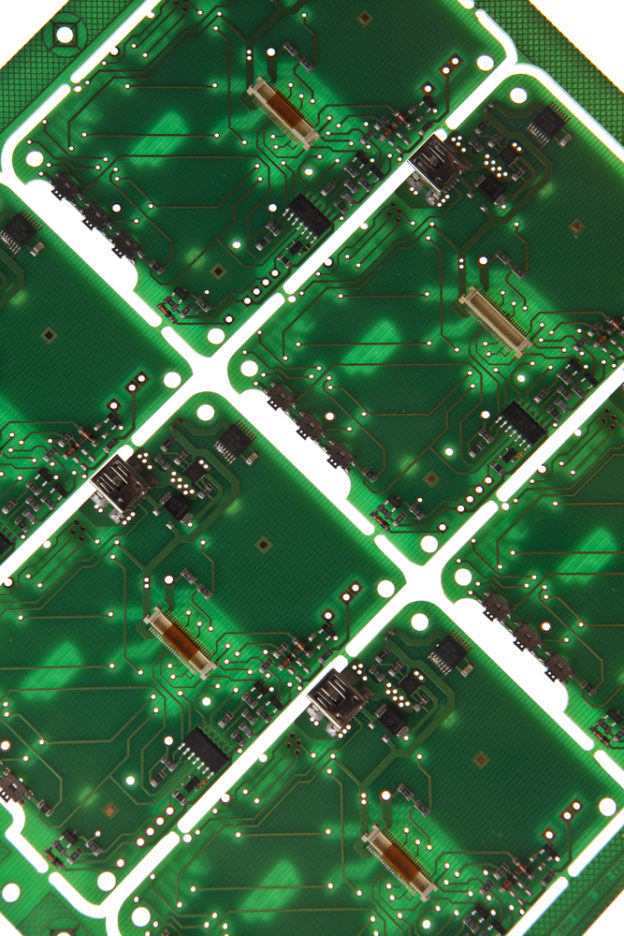
 When working on any tech-driven project, it’s crucial to focus on the longevity and performance of your components. High-quality PCBs offer enhanced reliability, reducing the likelihood of malfunction or failure in the field. This is especially important in industries where downtime can result in costly delays or safety hazards. By sourcing printed circuit boards from a trusted provider like Board Assembly, you ensure that each PCB is meticulously inspected and tested, guaranteeing that it can withstand even the most challenging environments.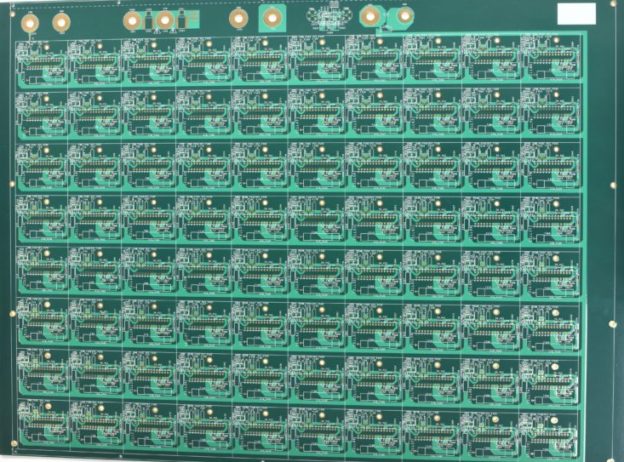
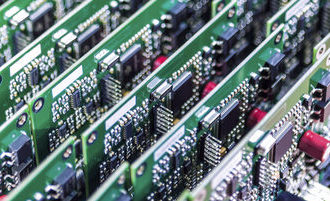
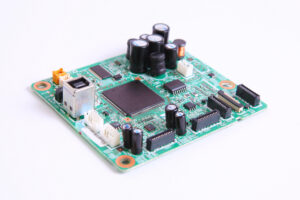 One of the biggest advantages is improved consistency. When fabrication and assembly are handled by the same provider, there is greater control over quality standards and manufacturing processes. Engineers and production teams can work together to identify potential issues early, minimizing defects and reducing the likelihood of expensive redesigns.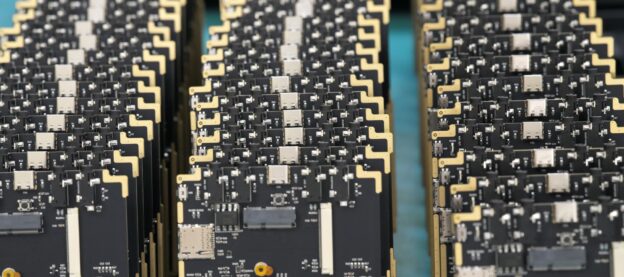
 Another issue involves poor communication between designers and manufacturers. Sharing complete documentation, including Gerber files, bills of materials, and fabrication notes, minimizes misunderstandings and supports smoother production.