Tag Archives: board assembly

Printed Circuit Boards

The Benefits of Working with a Full-Service PCB Assembly Partner

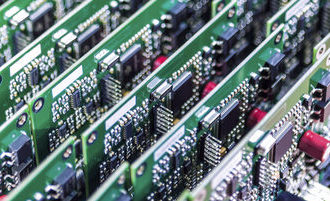
Choosing the right manufacturing partner can make the difference between a successful product launch and costly production delays. Many companies work with separate vendors for PCB fabrication, prototype development, component sourcing, and final assembly, but consolidating these services with a full-service PCB assembly provider can significantly improve efficiency, quality, and overall project management.

A full-service PCB assembly partner offers expertise throughout the entire manufacturing process. Instead of coordinating multiple suppliers, businesses can rely on one experienced team to oversee everything from design review and prototype builds to fabrication, assembly, testing, and production. This streamlined approach reduces communication errors and helps keep projects on schedule.

High quality pcbOne of the biggest advantages is improved consistency. When fabrication and assembly are handled by the same provider, there is greater control over quality standards and manufacturing processes. Engineers and production teams can work together to identify potential issues early, minimizing defects and reducing the likelihood of expensive redesigns.
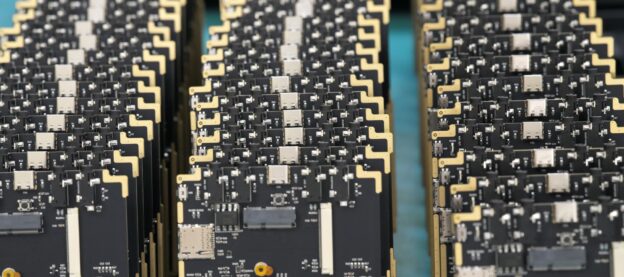
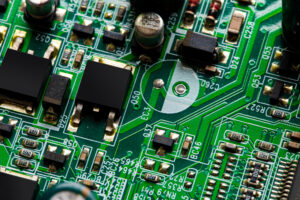
Time savings are another important benefit. Managing multiple vendors often requires additional meetings, shipping logistics, and troubleshooting between suppliers. A single-source manufacturing partner eliminates much of this complexity, allowing products to move more quickly from concept to market.

Full-service providers also offer valuable engineering support. Design for Manufacturability (DFM) reviews help ensure that printed circuit boards can be produced efficiently while maintaining reliability and performance. Early feedback on layout, materials, and component selection can prevent production bottlenecks and lower manufacturing costs.

Scalability is equally important for growing businesses. A company may begin with a handful of prototypes but later require low-volume or high-volume production. Working with the same manufacturing partner throughout the product lifecycle provides continuity and avoids the need to onboard new suppliers as demand increases.

Quality assurance is another area where integrated services provide an advantage. Inspection procedures such as automated optical inspection (AOI), functional testing, and process verification help ensure every assembled board meets customer specifications. Centralized quality control also makes documentation and traceability easier to manage.

Board Assembly supports customers through every stage of electronics manufacturing with comprehensive services available through its PCB assembly solutions. Companies can begin with prototype PCB assembly to validate designs before moving into production, while integrated PCB fabrication capabilities simplify supply chain management and reduce lead times. For products requiring enhanced durability, specialized through-hole assembly services provide dependable performance for demanding applications.

As electronic products become increasingly sophisticated, partnering with a manufacturer that offers end-to-end capabilities can improve collaboration, reduce risk, and accelerate innovation. Whether developing industrial equipment, medical devices, telecommunications hardware, or consumer electronics, a full-service PCB assembly provider delivers the expertise and manufacturing support needed for long-term success.

Printed Circuit Board Fabrication

Common PCB Fabrication Mistakes and How to Avoid Them

Successful electronics manufacturing begins with quality PCB fabrication. Even small design or production errors can create delays, increase costs, and negatively affect product performance. Understanding common fabrication challenges helps engineers and manufacturers avoid expensive setbacks.

One frequent mistake is insufficient design rule verification before manufacturing begins. Trace widths, spacing requirements, drill sizes, and layer stackups should all be carefully reviewed to ensure compatibility with fabrication capabilities.

Material selection also influences long-term performance. High-temperature environments, high-frequency applications, and demanding industrial conditions may require specialized laminate materials rather than standard FR-4 substrates.

Printed Circuit BoardsAnother issue involves poor communication between designers and manufacturers. Sharing complete documentation, including Gerber files, bills of materials, and fabrication notes, minimizes misunderstandings and supports smoother production.
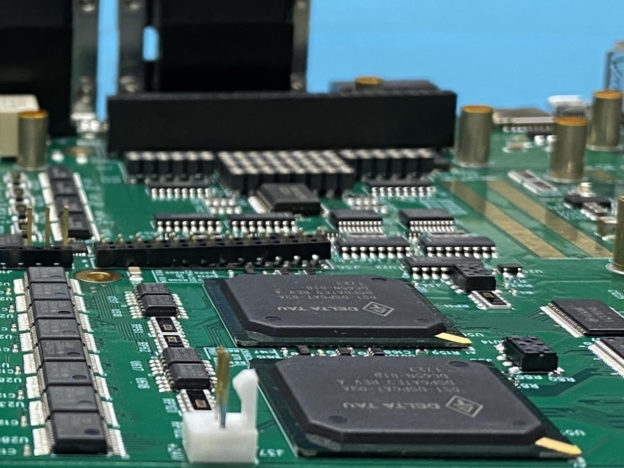
Panelization planning should not be overlooked. Efficient panel layouts improve manufacturing throughput while reducing waste and handling risks during assembly. Early planning often lowers overall production costs.

Inspection processes are equally important. Electrical testing, automated optical inspection, and quality verification help identify defects before boards proceed to final assembly or shipment.

Partnering with an experienced fabrication provider enables engineering teams to identify manufacturability concerns before production starts. Design for manufacturability reviews can significantly reduce revisions while improving yields.

Board Assembly provides dependable PCB fabrication services that emphasize precision, quality, and consistency throughout the manufacturing process. Customers also benefit from integrated prototype PCB assembly capabilities that simplify early product development.

As projects move toward production, combining fabrication with complete manufacturing services through Board Assembly helps maintain quality control while reducing coordination among multiple vendors.

Investing in careful planning and experienced manufacturing support allows organizations to produce reliable circuit boards while avoiding unnecessary delays and expenses.

PCB Fabrication and Assembly

Why Through-Hole PCB Assembly Remains Essential for High-Reliability Electronics

While surface mount technology dominates many modern applications, through-hole PCB assembly continues to play a vital role in products requiring exceptional durability and mechanical strength. Industries such as aerospace, defense, industrial automation, and medical equipment frequently rely on through-hole components for critical applications.

Through-hole assembly involves inserting component leads through drilled holes in the printed circuit board before soldering them securely into place. This creates robust mechanical connections that withstand vibration, temperature fluctuations, and physical stress better than many surface-mounted alternatives.

High quality pcbPower supplies, transformers, connectors, and large capacitors are common examples of components that benefit from through-hole mounting. Their secure attachment improves long-term reliability, particularly in environments where equipment experiences repeated movement or harsh operating conditions.

Manufacturers also appreciate the flexibility of combining through-hole and surface mount technologies within hybrid assemblies. This approach allows engineers to optimize designs by selecting the best mounting method for each component based on performance requirements.

Quality control remains essential throughout the assembly process. Automated inspection, manual verification, and functional testing help ensure every solder joint meets demanding industry standards before products reach customers.

Choosing an experienced manufacturing partner helps prevent common issues such as improper solder fill, alignment problems, or inadequate mechanical support. Engineering expertise can also identify opportunities to improve manufacturability and reduce production costs without sacrificing reliability.

Board Assembly offers professional through-hole PCB assembly services for customers who require dependable performance across challenging operating environments. Their capabilities support prototypes, low-volume production, and larger manufacturing runs alike.

Many customers also integrate these services with PCB fabrication and complete manufacturing support available through Board Assembly. Working with a single supplier streamlines production while maintaining quality from design through final assembly.

Despite advances in electronics manufacturing, through-hole PCB assembly remains indispensable wherever strength, durability, and long-term reliability are priorities.

How Prototype PCB Assembly Accelerates Product Development

Developing a new electronic product requires speed, precision, and flexibility. Whether you’re designing a medical device, industrial controller, or consumer product, prototype PCB assembly plays a critical role in turning an idea into a working solution. By identifying design issues early and validating functionality before mass production, prototype assembly helps reduce costs and shorten development timelines.

Working with an experienced manufacturing partner allows engineers to test circuit designs quickly and make improvements before committing to larger production runs. Companies that invest in high-quality prototype builds often experience fewer delays and smoother transitions into full-scale manufacturing.

pcb-prototypePrototype PCB assembly is especially valuable during research and development because it enables rapid iteration. Engineers can evaluate performance, verify component placement, and confirm electrical functionality while minimizing the expense associated with redesigning large production batches.

Another major advantage is improved communication between designers and manufacturers. Early collaboration helps identify manufacturability concerns that could otherwise lead to production issues later in the process. This proactive approach supports higher yields and more reliable finished products.

Businesses developing complex electronics can also benefit from prototype testing under real-world operating conditions. Environmental stress testing, performance validation, and compliance evaluations become easier when reliable prototypes are available for analysis.

When selecting a manufacturing partner, look for one that offers comprehensive support from prototype through production. Services such as component sourcing, design review, inspection, and quality assurance contribute to successful product launches and long-term reliability.

Board Assembly provides specialized prototype PCB assembly services designed to help customers validate designs efficiently. By combining engineering expertise with advanced manufacturing capabilities, projects can move from concept to production with greater confidence.

As products mature, manufacturers can seamlessly transition into additional services such as PCB fabrication and complete production assembly. Integrating these capabilities under one provider simplifies project management and helps maintain consistent quality standards throughout the manufacturing process.

For organizations seeking dependable electronic manufacturing solutions, partnering with an experienced provider can significantly improve development speed while reducing risk. Investing in prototype PCB assembly today often leads to better-performing products and more successful launches tomorrow.

Electronic Encapsulation & Impact Resistance

Advanced Potting and Encapsulation Services for Long-Term PCB Protection

When electronic assemblies are exposed to moisture, chemicals, vibration, dust, or extreme temperature fluctuations, ordinary protection simply isn’t enough. Sensitive components require a higher level of defense to maintain long-term reliability. Potting and encapsulation services provide some of the most robust environmental protection available by fully surrounding electronic assemblies with epoxy, silicone, or urethane compounds. At Board Assembly, we specialize in delivering professional, application-specific potting and encapsulation solutions designed to improve performance and extend the lifespan of your products.

Potting involves filling an electronic assembly’s enclosure with a liquid insulating compound. Once cured, the compound becomes a rigid or semi-flexible protective shield that isolates components from environmental damage. Encapsulation, while similar, often uses removable molds or specialized housings designed to protect the electronics without requiring a permanent enclosure. Both processes are widely used in industries that demand rugged, field-ready electronics capable of withstanding harsh conditions.

Our potting and encapsulation services begin with a detailed evaluation of your product’s operating environment. Choosing the right material is essential. Epoxy provides high hardness and outstanding chemical resistance, making it ideal for industrial machinery or chemical exposure environments. Silicone is well suited for applications requiring flexibility, high thermal resistance, or vibration absorption. Urethane offers a balanced combination of shock absorption and durability, commonly used in automotive and consumer electronics.

Before the potting process begins, each PCB is prepared through a thorough cleaning procedure to remove dust, flux residue, and contaminants that could affect adhesion. Sensitive areas such as connectors, LEDs, switches, and test points are masked to prevent compound coverage. Once prepared, the potting compound is precisely mixed, degassed to eliminate trapped air, and dispensed carefully to ensure even distribution. This helps prevent voids, which can compromise insulation or structural stability.

Potting and encapsulation provide a wide range of advantages. By sealing the assembly, the compound prevents moisture intrusion, corrosion, oxidation, and electrical arcing. Mechanical stability is improved, making the PCB more resistant to vibration, shock, and handling stress. The process also offers enhanced electrical insulation, allowing high-voltage components to operate safely. Additionally, potting provides tamper resistance, protecting proprietary circuits and preventing unauthorized access.

encapsulating-servicesIndustries that rely heavily on these services include automotive electronics, outdoor communication systems, aerospace and defense equipment, marine technology, renewable energy systems, and rugged industrial controls. Any application exposed to environmental hazards can benefit from the long-term reliability provided by professional potting and encapsulation.

After curing, every assembly undergoes a meticulous inspection and functional test to ensure that the protective compound has not affected performance or accessibility. Documentation, traceability, serial labeling, and quality reports are included for customers in regulated industries.

For manufacturers seeking durable, reliable, and long-lasting electronics, potting and encapsulation are essential steps in the production process. At Board Assembly, our expertise and precision processes ensure superior results for every project.

Learn more about our potting and encapsulation services:
https://boardassembly.com/potting-and-encapsulating-services/

Contact Us Today!!