 Back Home
-
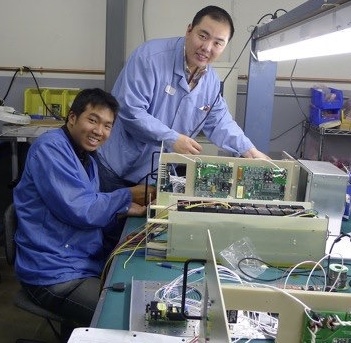 In today’s fast-paced electronics industry, there is a constant need for circuit board repair and rework. Whether due to design changes, component failure, or manufacturing defects, restoring and reusing existing printed circuit boards (PCBs) can save significant time and cost. At ACME PCB Assembly, we specialize in providing precise, reliable, and efficient rework and modification services to extend the life of your boards and ensure optimal performance. Custom Rework Solutions for Every Project ACME PCB
 -
 Printed circuit boards (PCBs) are at the heart of modern electronics. From industrial equipment and medical devices to telecommunications systems, automobiles, computers, and consumer electronics, printed circuit boards provide the foundation that allows electronic components to connect and work together. But what does it actually take to turn a bare printed circuit board into a functioning electronic assembly? The answer involves more than just the PCB itself. Manufacturers need the correct electronic components, soldering materials,
 -
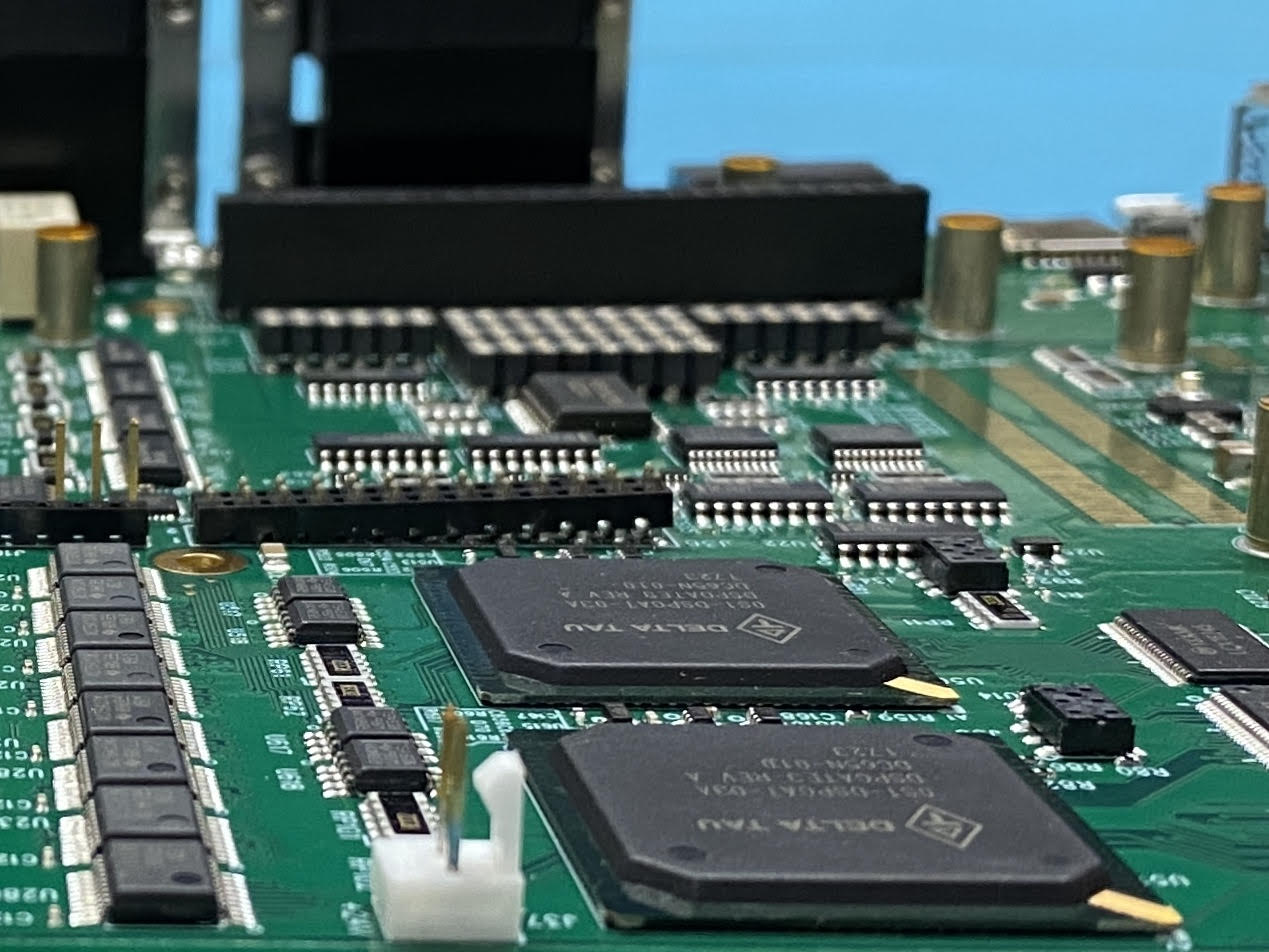 Quick turn is imperative when it comes to PCB fabrication. Quick go-to-market can be a large source of having a competitive advantage. At ACME PCB Assembly we tend to place a great deal of importance when it comes to providing a prompt delivery service of your order, while complying with all quality control and certification measures. ACME PCB Assembly provides many different types of quick turn flex PCB fab, quick turn multi-layer PCB fab, quick
 -
 In the fast-paced world of electronics manufacturing, efficiency and precision are paramount. At Board Assembly, we understand the critical role that a seamless production process plays in bringing innovative products to market swiftly and reliably. That’s why we offer comprehensive full turnkey solutions designed to meet the diverse needs of our clients. These solutions not only streamline the production process but also ensure that every detail is meticulously handled, from initial design to final delivery.
 -
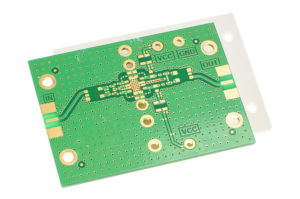 Printed Circuit Boards (PCBs) are the backbone of modern electronic devices. From smartphones to industrial machinery, PCBs ensure that electrical components are connected and function properly. Whether you’re developing a small prototype or scaling up production, good PCB design practices are critical to success. Here are some expert tips to help you design efficient, high-quality PCBs. 1. Plan Your Layout Strategically The layout of your PCB can make or break your design. Start by organizing


