 Back Home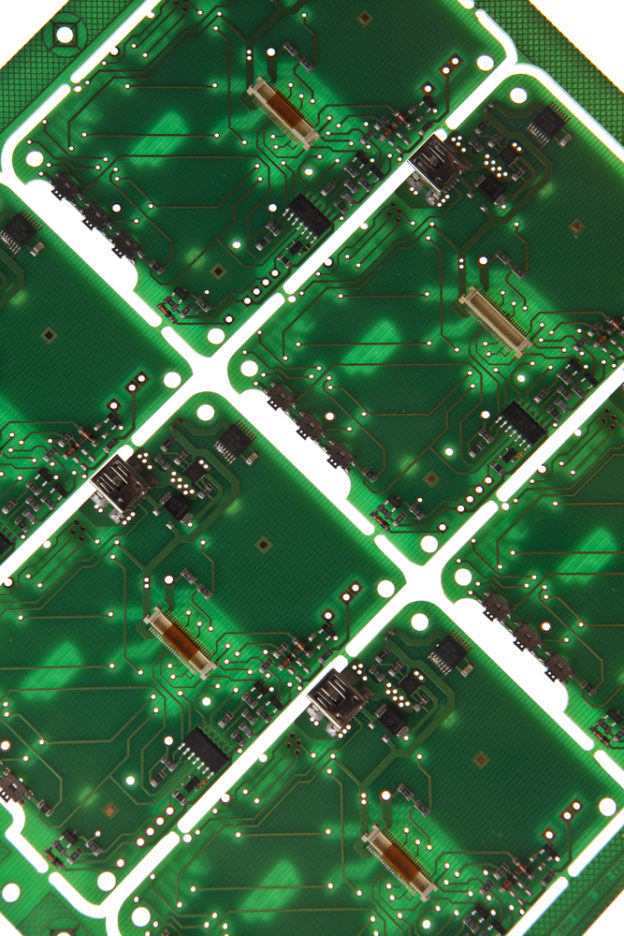
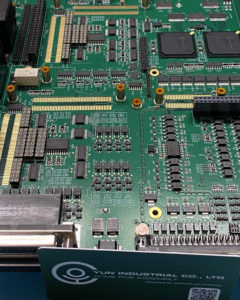
In today’s fast-paced technology landscape, using high-quality PCBs in your projects is essential for success. Printed circuit boards form the backbone of countless devices, from smartphones to industrial machines, and their performance can make or break your innovation. Ensuring that the printed circuit boards you select meet rigorous standards and are produced under stringent quality control measures is key to delivering reliable, durable, and efficient products.
 When working on any tech-driven project, it’s crucial to focus on the longevity and performance of your components. High-quality PCBs offer enhanced reliability, reducing the likelihood of malfunction or failure in the field. This is especially important in industries where downtime can result in costly delays or safety hazards. By sourcing printed circuit boards from a trusted provider like Board Assembly, you ensure that each PCB is meticulously inspected and tested, guaranteeing that it can withstand even the most challenging environments.
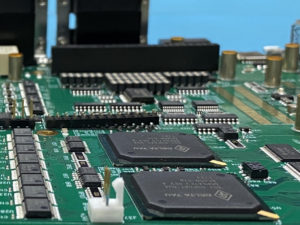
Another critical advantage of using high-quality PCBs is their ability to handle complex circuitry while maintaining efficiency. Whether your project involves compact devices or large-scale applications, well-designed printed circuit boards allow for optimal layout, minimizing noise and interference while maximizing performance. Quality control throughout the production process ensures that each board is built to precise specifications, eliminating errors and inconsistencies that could otherwise impact functionality.
Beyond functionality, investing in high-quality PCBs also enhances the overall reputation of your product. By delivering a reliable, robust solution to your customers, you establish trust and credibility, setting your business apart from competitors who may cut corners by using inferior components. The importance of partnering with a company like Board Assembly that prioritizes quality control cannot be overstated.
In conclusion, using high-quality PCBs in your projects isn’t just a technical requirement—it’s a strategic move to ensure long-term success and market differentiation. If you’re looking to integrate printed circuit boards that are built to last, perform reliably, and meet the highest standards, visit Board Assembly today to explore how their expertise and commitment to excellence can elevate your next project.
Frequently Asked Question
Why are high-quality printed circuit boards important for electronics manufacturing?
High-quality printed circuit boards improve reliability, electrical performance, and product lifespan while reducing the risk of manufacturing defects and costly failures. Partnering with Board Assembly ensures your PCBs are manufactured with strict quality control, advanced testing, and precision assembly. Learn more about our PCB assembly services and how we can help bring your next project to life.
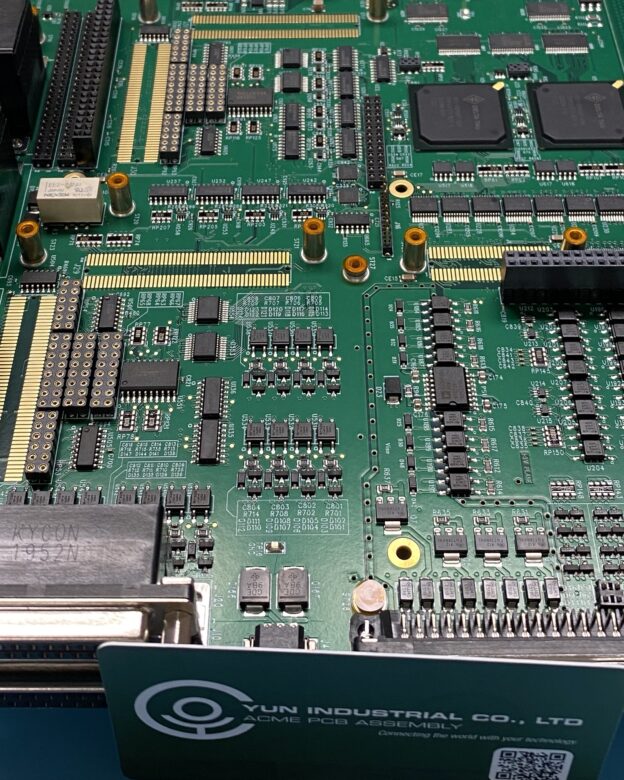
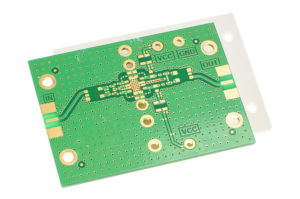 Prototype PCB assembly is especially valuable during research and development because it enables rapid iteration. Engineers can evaluate performance, verify component placement, and confirm electrical functionality while minimizing the expense associated with redesigning large production batches.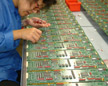
 Find Your SMT and Through-Hole Vendor


