Tag Archives: smt assembly

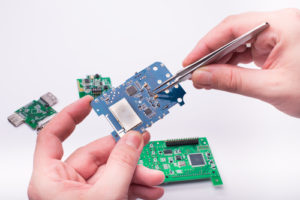
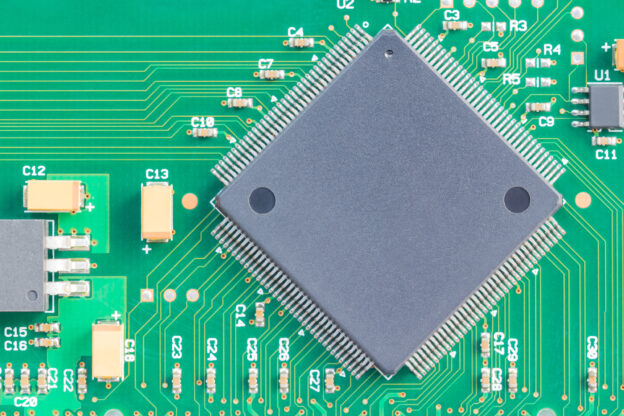
smt technology chip

High-Precision SMT Assembly Services for Reliable Electronics Manufacturing

Surface Mount Technology (SMT) has become the backbone of modern electronics manufacturing, enabling compact designs, higher component density, and superior electrical performance. At Board Assembly, we provide advanced SMT assembly services designed for prototype development, small-batch runs, and full-scale production. Our expertise, state-of-the-art equipment, and commitment to quality ensure your printed circuit boards meet the highest industry standards.

SMT assembly involves placing miniature components directly onto the PCB surface without the need for drilled holes. This allows for faster manufacturing, reduced board size, and the ability to integrate complex circuitry into smaller devices. At Board Assembly, our automated pick-and-place SMT machines provide exceptional accuracy, ensuring precise positioning of even the smallest components such as micro-BGAs, 01005 packages, and high-pin-count ICs.

For every project, we begin with a thorough design and documentation review to ensure manufacturability. Our engineering team evaluates your Gerber files, BOM, and assembly drawings to verify compatibility with our SMT processes. This helps prevent redesign costs, minimize delays, and ensure seamless transition from prototype to production.
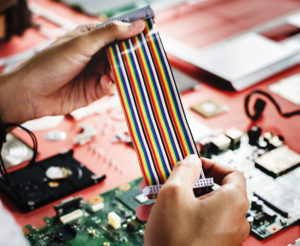
electronic circuit board smtOnce the assembly begins, solder paste is applied using tightly controlled stencil printing methods. This ensures proper solder volume, which is critical for component adhesion and long-term performance. Our automated reflow ovens use multi-zone temperature profiling to ensure consistent solder joints across every PCB. Whether your project requires leaded or RoHS-compliant lead-free soldering, Board Assembly adheres to strict temperature controls that guarantee reliability.

Quality assurance is a core part of our SMT assembly workflow. Every PCB undergoes AOI inspection, verifying solder joints, polarity, bridging, component alignment, and placement accuracy. For boards with hidden joints like BGAs, we perform X-ray inspection to evaluate internal connections. These extra steps ensure long-term durability and minimize field failure risks.

Whether you are developing medical devices, IoT solutions, consumer products, industrial equipment, or aerospace electronics, our SMT assembly capabilities support a wide range of applications. Combined with our additional services—such as conformal coating, box build assembly, and potting & encapsulation—we offer complete turnkey solutions to support your entire production lifecycle.

Learn more about our SMT capabilities at:
https://boardassembly.com/smt-assembly/
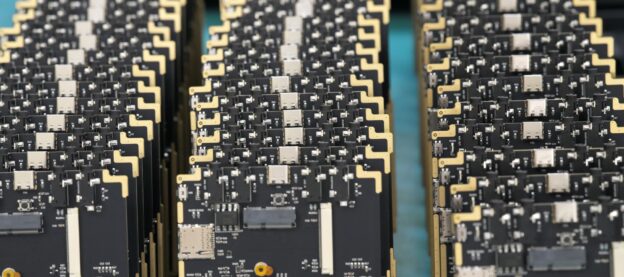
Printed Circuit Board Fabrication

Printed Circuit Board Manufacturing vs. PCB Assembly: Understanding the Difference

There Are Differences Between Printed Circuit Board Manufacturing and Printed Circuit Board Assembly, But You Might Be Asking What Are They?

In the world of electronics, the terms Printed Circuit Board (PCB) Manufacturing and PCB Assembly are often used interchangeably—but they actually refer to two distinct processes. Understanding the difference is essential when choosing the right partner for your electronic product development.

At Yun Industrial / ACME PCB Assembly, we specialize in both PCB manufacturing and assembly services, ensuring customers receive complete, end-to-end solutions with unmatched quality and precision.

What Is PCB Manufacturing?

PCB manufacturing is the process of creating the physical printed circuit board from scratch. This involves several intricate steps, including:

  • Designing the board layout using CAD software

  • Creating a PCB prototype to test design accuracy

  • Layering copper and insulating materials to form conductive paths

  • Etching, drilling, and plating to create traces and vias

  • Applying solder masks and silkscreens for protection and labeling

Essentially, PCB manufacturing is about producing the bare board—the foundation that will later hold the electronic components. This stage requires high-precision machinery and engineering expertise to ensure the final board meets performance, safety, and durability standards.

What Is PCB Assembly?

Once the bare board is manufactured, the next step is PCB assembly (PCBA). This is where the circuit board comes to life. The process involves soldering electronic components—such as resistors, capacitors, IC chips, and connectors—onto the PCB according to the design specifications.

PCB assembly can use Surface Mount Technology (SMT), Through-Hole Technology (THT), or a combination of both, depending on the application. This stage requires precise placement, temperature control, and soldering quality to ensure reliable electrical connections and functionality.

ACME PCB Assembly: Your One-Stop PCB Partner

At Yun Industrial ACME PCB Assembly, we provide both manufacturing and assembly services, eliminating the need to work with multiple vendors. As an ISO 9001:2015 certified Electronics Manufacturing Service (EMS) provider and IPC A-610 certified trainer, we uphold the highest industry standards for quality and reliability.

Every PCB we produce meets the strict guidelines of IPC 600, ensuring consistency, durability, and peak performance. Whether you need a prototype or large-scale production, ACME delivers the best value, competitive pricing, and on-time delivery—every time.

Contact us today to learn more about how ACME PCB Assembly can bring your next project from concept to completion.

Contact us today to learn more.

Flexible Circuit board

Flex Turnkey PCB Assembly

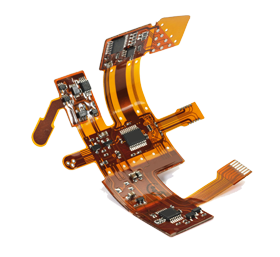
The design rules for flex turnkey PCB assembly is very similar to the design rules for traditional PCBs.  Traditional PCBs and flex flex turnkey PCB assembly share some similarities in the manufacturing process as well.  To start, the flexible circuit board material (typically copper clad Polyimide) is chosen, drilled, plated, photo-imaged, and imprinted just like the conservative PCB process. Next, both PCBs and flex turnkey PCB assemblies involve the panels being baked to remove any moisture from the wet processes.  This next step is where the original PCB and flex turnkey PCB assembly start to differ.  Flex turnkey PCB assemblies go to the cover lay station instead of going to the fuse mask station, as would occur with traditional PCBs.

A flex circuit board cover lay, also known as a cover film, is a lamination process used to summarize and protect any peripheral circuitry of the flex circuit. The cover lay serves the similar function as the solder mask does for conventional PCBs with the dissimilarity being the added component of flexibility. Naturally, the thickness of the cover lay is prepared of 1 mil thick Polyimide with a 1 mil thick, attach adhesive, but other thicknesses are accessible to meet precise design necessities. The Polyimide and adhesive cover lay is laminated using force and heat.

Flexible circuitThe heat allows for simple flow of the adhesive which is needed because it must fill-in any and all gaps among the traces and pads to stop the trapping of air between layers. To a flex turnkey PCB assembly designer this means the cover lay openings for a characteristic 1 oz. The copper plan must be out-sized by 10 mils, which is appreciably bigger than the typical huge of 2-3 mils used on conventional PCB solder masks.
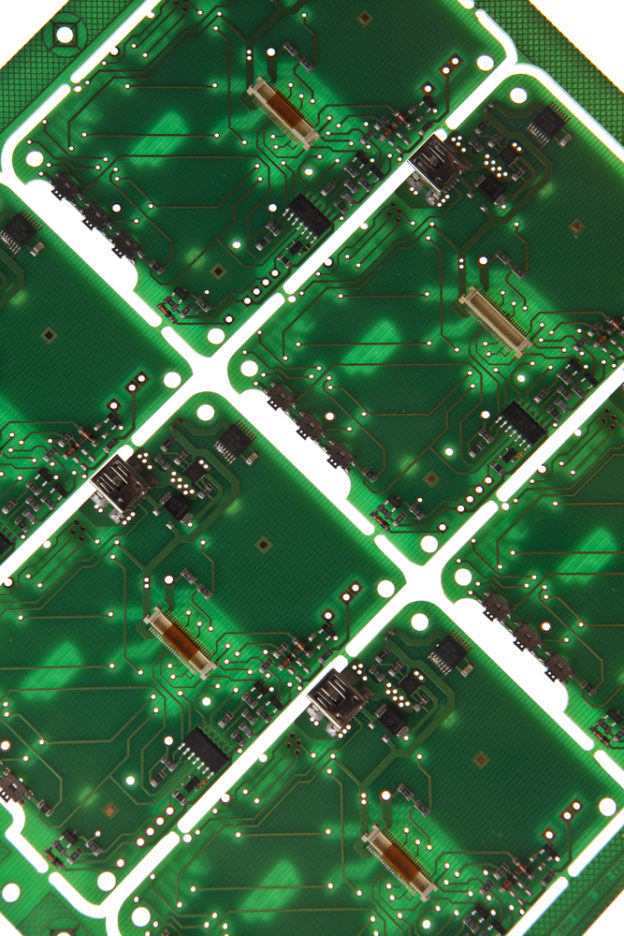
ACME PCB Assembly manufactures flexible turnkey PCB assembly.  We can take your flexible circuit application from concept to reality with our complete design capabilities.  Our talented team is equipped to work in multiple data formats. We have in-house surface-mount technology (SMT) capabilities  and specialize in turnkey assembly applications.

ACME PCB Assembly will work with you for all of your flexible circuit board needs. We are committed to not only customer satisfaction, but exceeding our customer’s expectations. Our adherence to quality standards is a part of what makes our boards superior to other suppliers.

We provide a complete suite of PCB Assembly Services, including rework and modification, BGA, SMT, Turnkey, Thru-Hole, Lead Free, and Prototype assembly, plus an extensive line of add-on services, such as Injection Molding and Metal Work & Finishing.

Call us today with any questions 1- 310-715-1898  (Sales Extension 210) (Purchasing Extension 160)


Printed Circuit Board Fabrication

Top Benefits of Using High-Quality PCBs in Your Projects

In today’s fast-paced technology landscape, using high-quality PCBs in your projects is essential for success. Printed circuit boards form the backbone of countless devices, from smartphones to industrial machines, and their performance can make or break your innovation. Ensuring that the printed circuit boards you select meet rigorous standards and are produced under stringent quality control measures is key to delivering reliable, durable, and efficient products.

Printed Circuit Board FabricationWhen working on any tech-driven project, it’s crucial to focus on the longevity and performance of your components. High-quality PCBs offer enhanced reliability, reducing the likelihood of malfunction or failure in the field. This is especially important in industries where downtime can result in costly delays or safety hazards. By sourcing printed circuit boards from a trusted provider like Board Assembly, you ensure that each PCB is meticulously inspected and tested, guaranteeing that it can withstand even the most challenging environments.
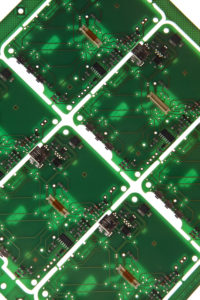
Another critical advantage of using high-quality PCBs is their ability to handle complex circuitry while maintaining efficiency. Whether your project involves compact devices or large-scale applications, well-designed printed circuit boards allow for optimal layout, minimizing noise and interference while maximizing performance. Quality control throughout the production process ensures that each board is built to precise specifications, eliminating errors and inconsistencies that could otherwise impact functionality.

Beyond functionality, investing in high-quality PCBs also enhances the overall reputation of your product. By delivering a reliable, robust solution to your customers, you establish trust and credibility, setting your business apart from competitors who may cut corners by using inferior components. The importance of partnering with a company like Board Assembly that prioritizes quality control cannot be overstated.

In conclusion, using high-quality PCBs in your projects isn’t just a technical requirement—it’s a strategic move to ensure long-term success and market differentiation. If you’re looking to integrate printed circuit boards that are built to last, perform reliably, and meet the highest standards, visit Board Assembly today to explore how their expertise and commitment to excellence can elevate your next project.

Strengthening SMT Assembly Quality with Omron 3D AOI S1080

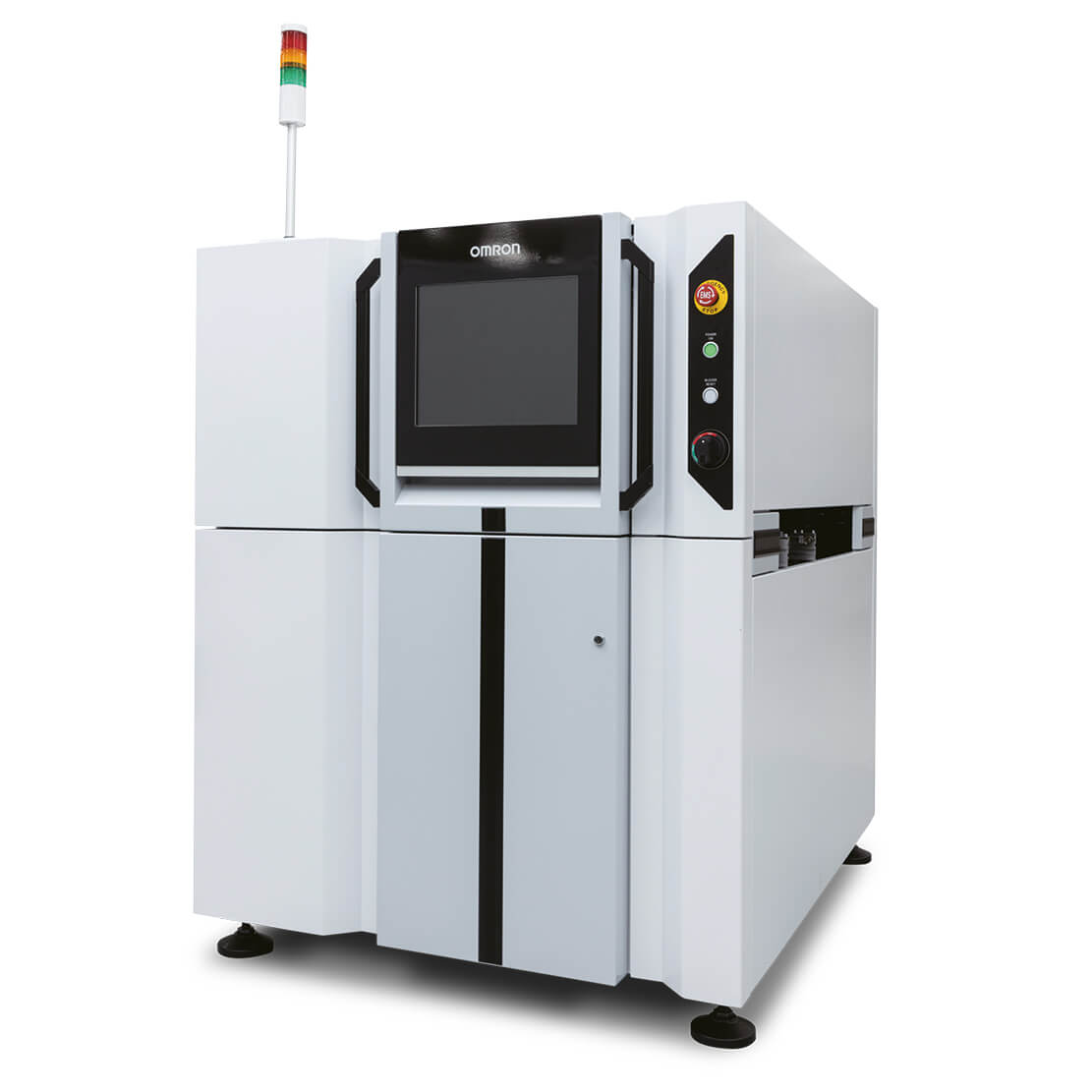
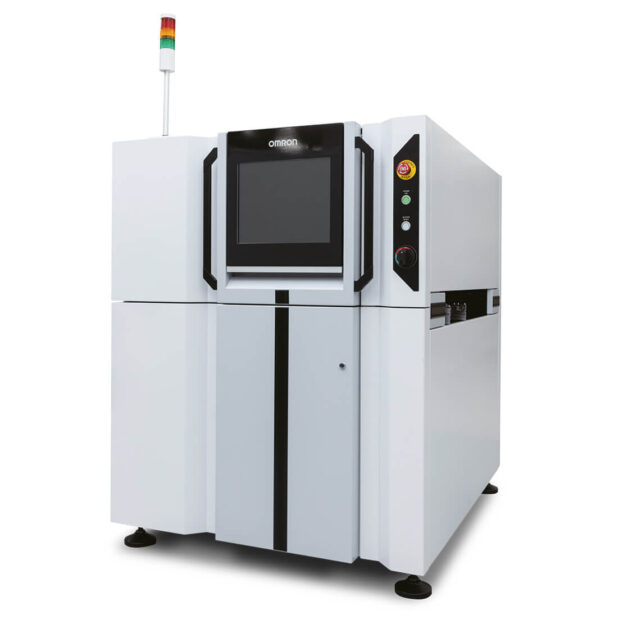
We are proud to announce the addition of the Omron 3D AOI S1080 system to our production line, a major investment dedicated to maintaining and enhancing the highest standards of SMT assembly quality. As electronic products continue to evolve toward miniaturization, higher complexity, and greater reliability requirements, the importance of consistent inspection and process control has never been more critical.

The Omron S1080 represents the latest generation of 3D Automated Optical Inspection (AOI) technology. With advanced 3D imaging, precise height measurement, and intelligent defect detection algorithms, it ensures that every solder joint, component placement, and fine-pitch assembly meets strict quality standards. Unlike traditional 2D AOI, the 3D system eliminates false calls caused by shadows or reflections and provides accurate detection of defects such as insufficient solder, lifted leads, bridging, and coplanarity issues.


By integrating the S1080 directly into our SMT assembly workflow, we gain real-time feedback that allows us to identify potential process variations before they affect product quality. This supports our continuous improvement initiatives, minimizes rework, and reduces costs for our customers. The inspection data collected also enables comprehensive traceability and analytics, giving us the ability to refine our process parameters and further enhance efficiency.


For customers, the addition of Omron’s S1080 means greater confidence in product reliability. Whether the project requires high-mix low-volume builds or high-volume production, this 3D AOI system helps us ensure that each board delivered is manufactured with precision and consistency. Our commitment goes beyond simply meeting industry standards—we aim to exceed them by implementing state-of-the-art tools that safeguard quality at every stage of SMT assembly.


With the Omron 3D AOI S1080 in place, we reaffirm our focus on quality, innovation, and customer satisfaction. This strategic investment reflects our ongoing mission: to provide manufacturing services that combine world-class technology with rigorous quality assurance, ensuring that every product leaving our facility embodies reliability and excellence.