 Back Home
Successful electronics manufacturing begins with quality PCB fabrication. Even small design or production errors can create delays, increase costs, and negatively affect product performance. Understanding common fabrication challenges helps engineers and manufacturers avoid expensive setbacks.
One frequent mistake is insufficient design rule verification before manufacturing begins. Trace widths, spacing requirements, drill sizes, and layer stackups should all be carefully reviewed to ensure compatibility with fabrication capabilities.
Material selection also influences long-term performance. High-temperature environments, high-frequency applications, and demanding industrial conditions may require specialized laminate materials rather than standard FR-4 substrates.
 Another issue involves poor communication between designers and manufacturers. Sharing complete documentation, including Gerber files, bills of materials, and fabrication notes, minimizes misunderstandings and supports smoother production.
Panelization planning should not be overlooked. Efficient panel layouts improve manufacturing throughput while reducing waste and handling risks during assembly. Early planning often lowers overall production costs.
Inspection processes are equally important. Electrical testing, automated optical inspection, and quality verification help identify defects before boards proceed to final assembly or shipment.
Partnering with an experienced fabrication provider enables engineering teams to identify manufacturability concerns before production starts. Design for manufacturability reviews can significantly reduce revisions while improving yields.
Board Assembly provides dependable PCB fabrication services that emphasize precision, quality, and consistency throughout the manufacturing process. Customers also benefit from integrated prototype PCB assembly capabilities that simplify early product development.
As projects move toward production, combining fabrication with complete manufacturing services through Board Assembly helps maintain quality control while reducing coordination among multiple vendors.
Investing in careful planning and experienced manufacturing support allows organizations to produce reliable circuit boards while avoiding unnecessary delays and expenses.
 At
At 
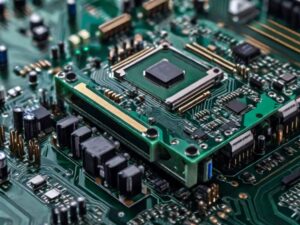 Despite its advantages, lead-free assembly presents challenges. Lead-free solders typically have higher melting points, requiring adjustments in thermal profiles and equipment calibration. These differences demand skilled technicians and careful process validation to prevent defects such as tombstoning or poor wetting. Partnering with experienced manufacturers who specialize in PCB assembly and lead-free soldering helps mitigate these risks and achieve reliable outcomes.


