 Back Home
In today’s electronics-driven world, protecting printed circuit boards (PCBs) from environmental damage is critical to maintaining long-term performance and reliability. A professional conformal coating service adds an essential layer of protection that helps PCB assemblies withstand moisture, chemicals, dust, salt spray, vibration, and extreme temperature changes. Industries such as aerospace, automotive, medical devices, telecommunications, and industrial automation depend on conformal coating to extend product lifespan and reduce costly failures in the field.
At Board Assembly, our Conformal Coating Service provides a protective polymer film that carefully conforms to the contours of the PCB and its components. This thin but highly durable coating forms a barrier against corrosion, electrical shorts, and environmental contaminants that could otherwise damage sensitive electronics. By sealing and protecting circuitry, conformal coating helps ensure that electronic products continue operating reliably even in challenging environments such as humid climates, manufacturing plants, marine applications, or outdoor installations.
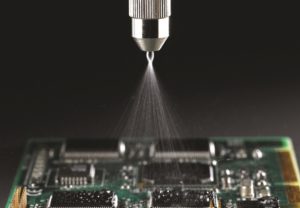 Conformal coating is typically applied after high-quality PCB fabrication and SMT assembly processes are completed. Integrating coating into the full assembly workflow helps manufacturers improve overall product durability while maintaining strict quality standards. Proper masking techniques ensure that connectors, switches, test points, and other critical areas remain accessible and functional. During the application process, coatings are carefully applied using methods such as spraying, brushing, or automated selective coating systems. After application, curing processes allow the coating to harden and form a strong protective layer without affecting the performance of the electronic components.
There are several types of conformal coatings available, each designed to meet different environmental and operational requirements. Acrylic coatings are commonly used because they are cost-effective and provide good moisture resistance while remaining easy to repair or remove if necessary. Silicone coatings perform well in high-temperature environments and offer excellent flexibility, making them ideal for electronics exposed to thermal expansion or vibration. Urethane coatings provide strong resistance to chemicals and solvents, which makes them suitable for industrial and automotive applications. Parylene coatings, often used in medical and aerospace electronics, provide an ultra-thin yet extremely durable protective layer applied through a specialized vapor deposition process.
Beyond protection from environmental hazards, conformal coating also improves product reliability and reduces long-term maintenance costs. By preventing corrosion and contamination, manufacturers can significantly lower the risk of electrical failures, product recalls, or warranty claims. This additional protection is especially valuable for electronics used in mission-critical applications where equipment downtime or failure can have serious consequences.
Another important benefit of conformal coating is that it allows electronics to be used in more demanding environments without redesigning the entire circuit board. Products intended for outdoor installations, marine use, transportation systems, or industrial facilities often rely on conformal coating to maintain consistent performance under harsh conditions.
At Board Assembly, the conformal coating process is carefully controlled and inspected to ensure complete coverage and proper curing. Quality checks verify coating thickness, adhesion, and overall protection so that every assembly meets strict performance standards.
If your products must operate in challenging environments, a professional conformal coating service can significantly improve reliability and longevity. Contact Board Assembly today to learn how our PCB fabrication, assembly, and conformal coating solutions can help protect your electronics and ensure dependable performance for years to come.
 Despite its advantages, lead-free assembly presents challenges. Lead-free solders typically have higher melting points, requiring adjustments in thermal profiles and equipment calibration. These differences demand skilled technicians and careful process validation to prevent defects such as tombstoning or poor wetting. Partnering with experienced manufacturers who specialize in PCB assembly and lead-free soldering helps mitigate these risks and achieve reliable outcomes.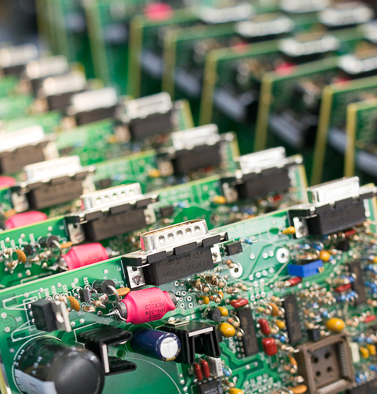
 Another major advantage is improved supply chain management. Manufacturers with extensive industry experience can source components more efficiently and navigate global supply fluctuations. Contract electronics manufacturing partners monitor market conditions, secure parts early, and prevent costly production bottlenecks. This support is especially beneficial when demand spikes or tight lead times emerge.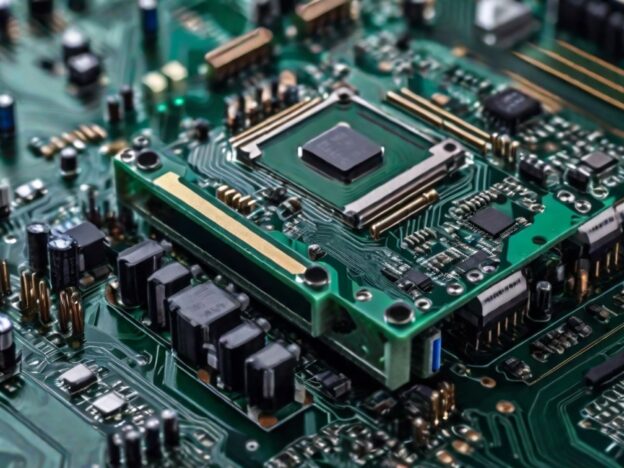
 One of the most profound benefits of turnkey assembly is integrated supply chain management. Your assembly partner handles component procurement, ensuring parts are sourced from trusted suppliers and delivered on schedule. This eliminates the burden of vendor negotiations, purchase orders, and inventory delays — common pain points for in-house manufacturing teams.
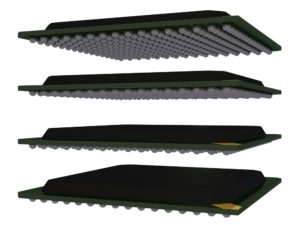 One of the primary advantages of BGA components is their enhanced electrical performance. By placing solder connections directly beneath the package, signals travel shorter distances with reduced parasitics, which boosts signal integrity. Improved thermal performance also helps distribute heat efficiently — critical for processors, FPGAs, and high-speed RF modules.


