When it comes to bringing an electronic product to market, every component matters—especially the printed circuit board (PCB). At Board Assembly, we specialize in PCB assembly solutions tailored to meet the unique demands of both small and large volume orders. Whether you’re a startup developing your first prototype or an established manufacturer scaling production, having a trusted assembly partner makes all the difference.
Flexible PCB Assembly for Every Project Size
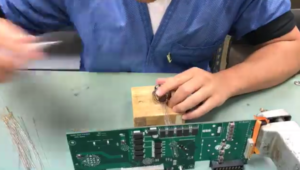
Not all projects are created equal. Some begin with low-volume runs for testing or proof of concept, while others require full-scale manufacturing to meet demand. We understand the need for flexibility. That’s why our facility is equipped to handle both ends of the spectrum—from a handful of boards to thousands—all while maintaining tight quality control and fast turnaround times.
Startups and small businesses benefit from our low minimum order quantities and personalized service. If you need help with your design or component sourcing, our experienced team is here to assist you at every step. For larger businesses and production-scale orders, we offer automated processes, scalable workflows, and strict adherence to IPC standards.
Quality, Consistency, and Support
We don’t just assemble circuit boards—we build reliability into your product. Our advanced equipment and trained technicians ensure each board is assembled with precision. Every order, no matter the size, is subjected to rigorous testing and inspection to meet your performance and durability expectations.
Need surface mount (SMT), through-hole, or mixed technology assembly? We’ve got you covered. Our capabilities include both leaded and RoHS-compliant assembly processes, giving you the freedom to choose what’s best for your application and market.
Your Turnkey Partner
At Board Assembly, we go beyond standard manufacturing. From prototype to production, we offer full turnkey solutions including sourcing, assembly, testing, and packaging. This helps streamline your supply chain and gets your product to market faster.
Visit Board Assembly to learn how our PCB assembly services can support your next project—big or small. Contact us today to get started with a quote or design consultation.
When it comes to electronic products, the materials you choose for your printed circuit board (PCB) can make all the difference in performance, reliability, and even cost. Selecting the right PCB material isn’t just about picking what’s readily available; it’s about matching the material’s properties to your specific application. At Board Assembly, we understand the importance of PCB material selection and are here to help you navigate the options.
Why PCB Material Matters
Your PCB is the backbone of your electronic device. It carries electrical signals, manages heat, and supports all your components. The wrong material choice can lead to issues like signal loss, overheating, or even mechanical failure. That’s why understanding your project’s requirements is key to making the right choice.
Factors to Consider
Thermal Performance: If your application generates a lot of heat—like in power electronics or LED lighting—you’ll need a PCB material with good thermal conductivity. Materials like aluminum-based PCBs or high-Tg FR-4 are excellent choices.
Electrical Performance: For high-frequency or RF applications, you’ll need a material with low dielectric loss. PTFE-based materials are often recommended for their superior electrical properties.
Mechanical Strength: Will your PCB be exposed to vibrations, shock, or mechanical stress? If so, choose materials with higher mechanical strength to avoid cracks and failures.
Cost: Budget matters too. While advanced materials like Rogers or ceramic substrates offer excellent performance, they can be pricey. For many applications, standard FR-4 remains a reliable and cost-effective option.
Environmental Conditions: Consider the environment your PCB will operate in. Will it face moisture, chemicals, or extreme temperatures? Some materials offer better resistance to harsh conditions.
Trust Board Assembly with Your PCB Needs
At Board Assembly, we guide our customers through every step of the PCB material selection process. Our team helps you find the perfect balance between performance and budget, ensuring your project is a success.
📞Contact us today to learn more about our services and how we can help you choose the best PCB material for your application.
When it comes to producing electronic devices, PCB assembly and box build are two essential processes that play different but complementary roles in bringing products to life. While many people are familiar withPCB assembly — where components are mounted on a printed circuit board — box build assembly takes it a step further by creating the finished product that’s ready for market.
If you’re wondering what separates a box build from PCB assembly, and when you need both services, this guide will break it down in simple terms.
In short, PCB assembly focuses on the brain of the device — the electronic board that powers everything.
Key steps in PCB assembly include:
Solder paste application
Pick and place of components
Reflow soldering or wave soldering
Inspection and testing
PCB assembly is essential for any electronic device but does not complete the final product — that’s where box build comes in.
What Is a Box Build?
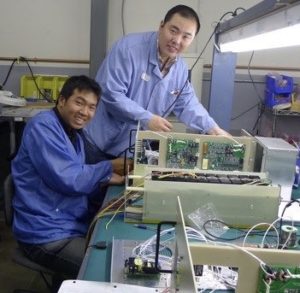
A box build (also known as system integration or electronic box build assembly) involves assembling all the necessary components — including the PCB — into a finished, fully functional product.
Think of box build as the final stage of electronic manufacturing. Once your PCB is assembled, tested, and functioning, box build assembly packages everything into its enclosure, adds wiring, and includes other mechanical and electrical parts.
Box Build vs. PCB Assembly: What’s the Difference?
Feature
PCB Assembly
Box Build Assembly
Focus
Assembling components on a circuit board
Assembling final product including PCB
Includes
Only the electronic board and components
PCB + wiring, housing, connectors, and more
End Result
A working circuit board
Fully assembled, ready-to-use product
Additional Work
No enclosures, no system integration
Full system integration, packaging, labeling
Testing
PCB-level electrical tests
System-level testing to verify total function
When Do You Need Both PCB Assembly and Box Build?
Most finished electronic products require both PCB assembly and box build to be market-ready. If you are producing any of the following, you will likely need both services:
Consumer electronics (smart devices, home gadgets)
Telecommunication devices (routers, communication boxes)
IoT devices (smart sensors, connected devices)
Here’s when both services are essential:
Product Readiness: If you want a product ready for sale or shipment — not just a circuit board — you need box build after PCB assembly.
Complex Wiring Needs: If your device requires wiring, cable assemblies, and mechanical enclosures, a box build is necessary to integrate these parts.
Testing & Compliance: Final system-level testing (functional tests, safety tests) happens during box build, ensuring the product works as intended before it reaches customers.
Why Work with a Partner Who Offers Both?
Choosing a manufacturing partner like Board Assembly that offers both PCB assembly and box build services can save time, reduce costs, and improve quality control. Here’s why:
Streamlined communication: Manage one relationship instead of coordinating between separate vendors.
Faster turnaround: PCB and box build handled under one roof means fewer delays.
Lower costs: Combined services often mean better pricing on components and assembly.
Better quality assurance: One team ensures your product is built and tested according to your specifications.
While PCB assembly focuses on building the electronic board, box build assembly brings all components together into a finished, functional product. Most companies need both services to ensure their devices are ready for customers.
If you’re looking for a reliable partner for box builds and PCB assembly, Board Assembly has the expertise to handle your project from start to finish — simplifying your production process and delivering high-quality results.
Contact Us to Learn More
➡️ Ready to start your next electronic box build or PCB assembly project? Contact Board Assembly today to discuss how we can help streamline your manufacturing and bring your product to life!
 Back Home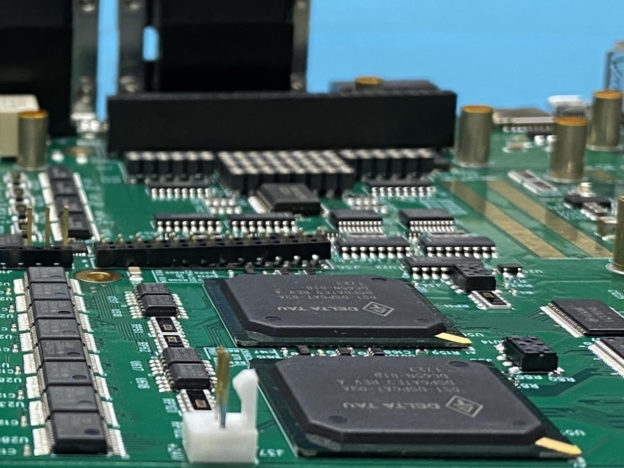
 Flexible PCB Assembly for Every Project Size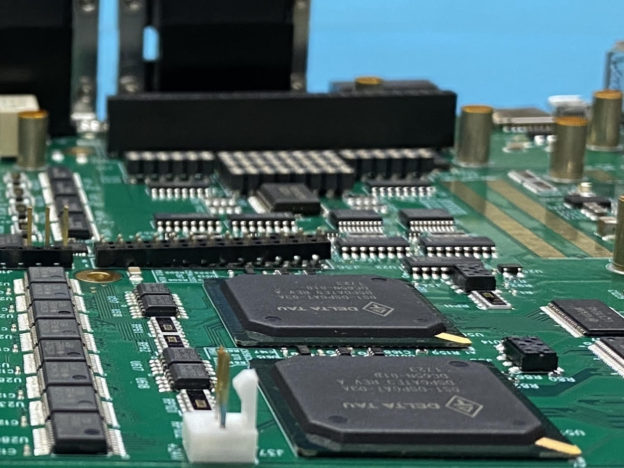
 Thermal Performance:
 A box build (also known as system integration or
  While
While 


