 Back Home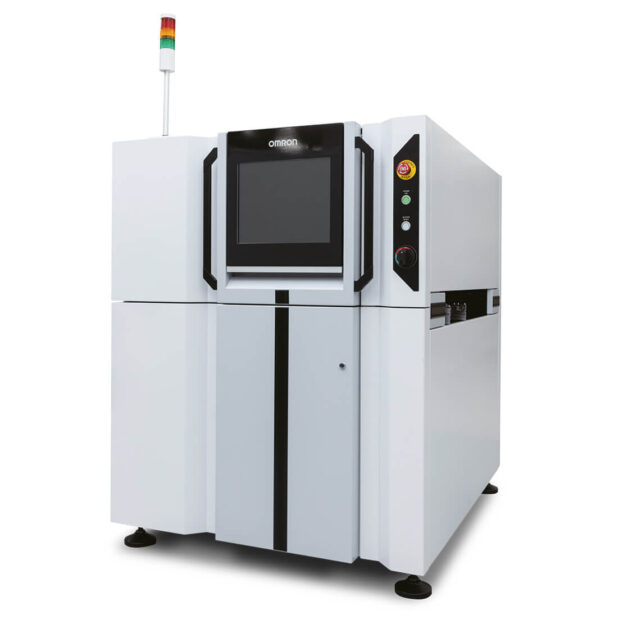
We are proud to announce the addition of the Omron 3D AOI S1080 system to our production line, a major investment dedicated to maintaining and enhancing the highest standards of SMT assembly quality. As electronic products continue to evolve toward miniaturization, higher complexity, and greater reliability requirements, the importance of consistent inspection and process control has never been more critical.
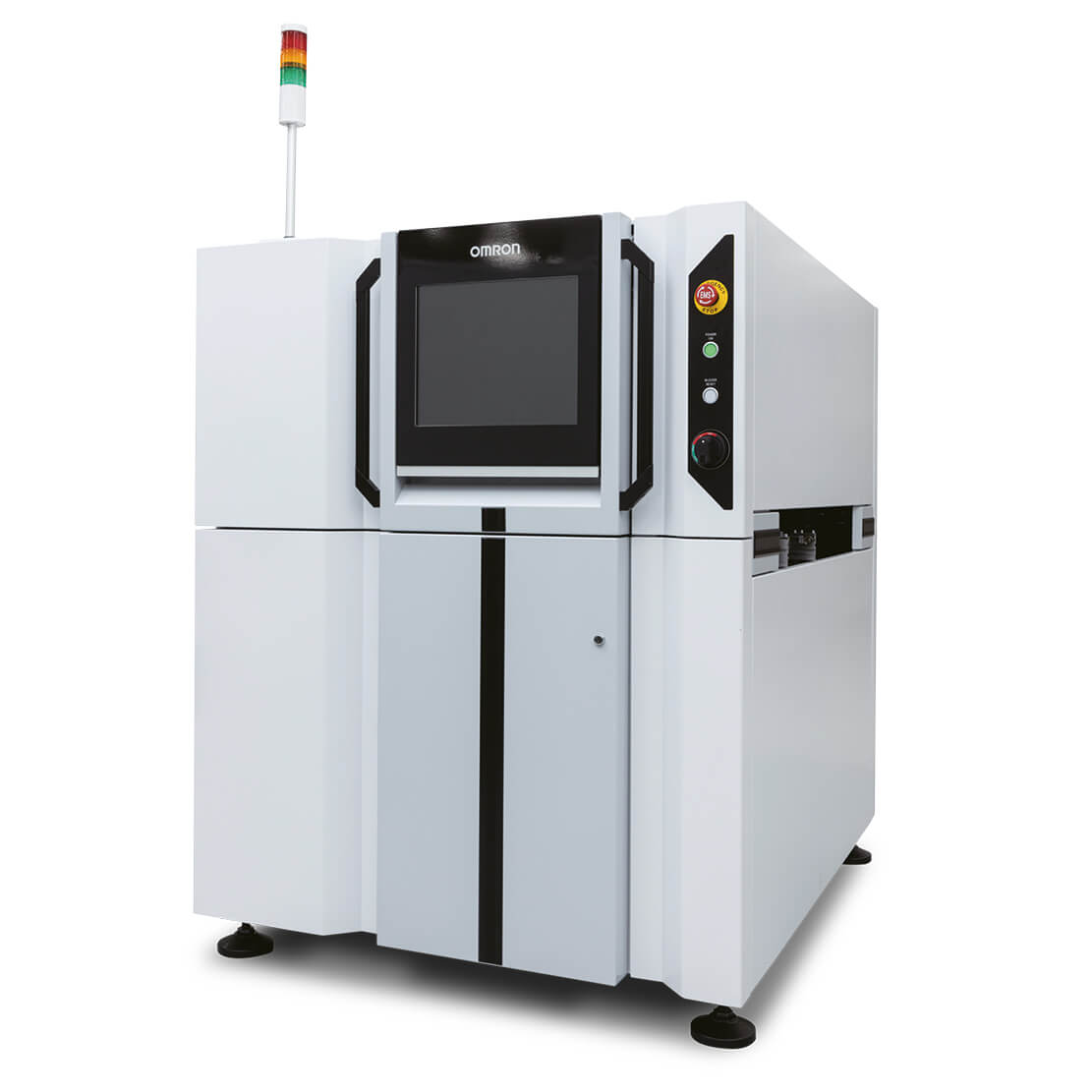
The Omron S1080 represents the latest generation of 3D Automated Optical Inspection (AOI) technology. With advanced 3D imaging, precise height measurement, and intelligent defect detection algorithms, it ensures that every solder joint, component placement, and fine-pitch assembly meets strict quality standards. Unlike traditional 2D AOI, the 3D system eliminates false calls caused by shadows or reflections and provides accurate detection of defects such as insufficient solder, lifted leads, bridging, and coplanarity issues.
By integrating the S1080 directly into our SMT assembly workflow, we gain real-time feedback that allows us to identify potential process variations before they affect product quality. This supports our continuous improvement initiatives, minimizes rework, and reduces costs for our customers. The inspection data collected also enables comprehensive traceability and analytics, giving us the ability to refine our process parameters and further enhance efficiency.
For customers, the addition of Omron’s S1080 means greater confidence in product reliability. Whether the project requires high-mix low-volume builds or high-volume production, this 3D AOI system helps us ensure that each board delivered is manufactured with precision and consistency. Our commitment goes beyond simply meeting industry standards—we aim to exceed them by implementing state-of-the-art tools that safeguard quality at every stage of SMT assembly.
With the Omron 3D AOI S1080 in place, we reaffirm our focus on quality, innovation, and customer satisfaction. This strategic investment reflects our ongoing mission: to provide manufacturing services that combine world-class technology with rigorous quality assurance, ensuring that every product leaving our facility embodies reliability and excellence.
 In the printed circuit board business, there are two primary ways to mount components onto the circuit board: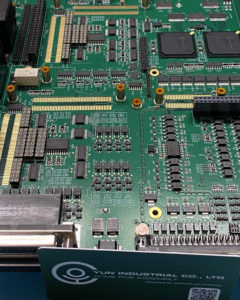
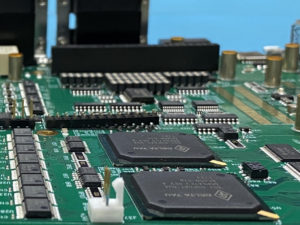 Find Your SMT and Through-Hole Vendor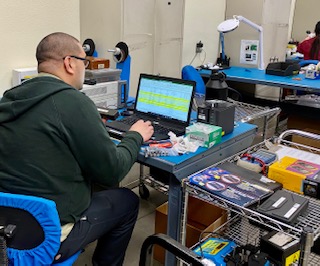
 With everyone’s increasing concerns on the over usage of hazardous materials in the electronic and electrical products and their environmental impact, there have been several stricter regulations being imposed by the leading governmental organizations across the world. The RoHS compliance is one of those important regulations that is currently being imposed on the utilization of hazardous materials in the electronics and electrical products. Are you interested in knowing how this compliance works or what the benefits are?
 Thermal Performance:


