Tag Archives: prototyping printed circuit boards

Why Running a Trial Run First is Important in PCB Assembly

Do you have a new PCB idea that you’re excited to bring to life? Once your design is finalized and ready for production, it’s tempting to jump straight into a large manufacturing order—especially if you believe the product will sell quickly. But before committing to thousands of units, there’s a far more important question to ask: Will the PCB actually work the way you expect once produced in large quantities?

This is exactly why PCB Assembly strongly recommends performing a trial run before entering mass production. A trial run ensures that your design functions properly, that the build process is stable, and that potential problems are identified early—before they become costly and time-consuming.

What Is a Trial Run in PCB Manufacturing?

A trial run, also known as a pilot run or pre-production build, is essentially a mini mass-production cycle. Instead of producing all 6,000 units immediately, the trial run starts with a much smaller batch, typically around 200 units.

If that initial batch performs well, the order is scaled up to 1,000 units, allowing the engineering and manufacturing teams to:

  • Verify component integrity

  • Validate soldering processes

  • Confirm assembly consistency

  • Identify design or manufacturing flaws

  • Test the product under realistic conditions

Only after the 200- and 1,000-unit runs are successful do we move forward with the full order—such as the complete 6,000-piece production you originally planned.

This method reduces financial risk and ensures that your PCB performs flawlessly before mass production begins.

Why You Should Never Skip the Trial Run
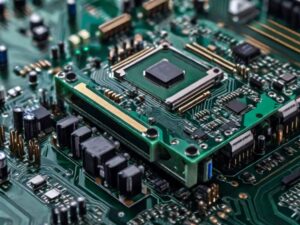
Electronic circuit boardUnfortunately, many companies—especially those importing parts or outsourcing overseas—skip the trial run because they are pressed for time or eager to deliver products to their customers. However, bypassing this stage can result in:

  • Costly redesigns

  • Wasted materials

  • Delayed shipments

  • Failed PCBs

  • Customer dissatisfaction

  • Damage to your brand

A trial run acts as a quality gate, ensuring that your idea translates into a stable, functional, and manufacturable product. It provides the opportunity to confirm that the production line is operating correctly, that the PCB layout translates properly, and that the assembly team can reproduce your design consistently.

Trial Runs Protect Your Investment

Producing thousands of PCBs without first validating the process is a major financial risk. A trial run prevents:

  • Large-scale defects

  • Incorrect component placement

  • Soldering issues

  • Tolerance mismatches

  • Unforeseen board failures

Catching these issues early can save you tens of thousands of dollars and prevent product launch delays.

Start Smart—Test Before You Scale

Whether you’re launching your first PCB design or preparing to scale an existing one, a trial run is one of the most important early steps in the manufacturing process. PCB Assembly is here to guide you through each phase—from prototype to pilot run to full production—ensuring your product works the way it should.

Before you invest in mass production, invest in certainty. Contact us today to schedule your trial run and protect your next big product.
Contact Us Today!!

Recycling Unused PCB

Sustainability in PCB Manufacturing: Building a Greener Future for Electronics

Printed circuit boards (PCBs) are the backbone of nearly every modern electronic device—from smartphones and automotive systems to medical equipment and industrial controls. As global electronics demand continues to rise in 2025 and beyond, the environmental impact of PCB manufacturing has become a central concern for manufacturers, engineers, and consumers alike. Today, sustainability is no longer a trend—it is a responsibility. Forward-thinking companies like Board Assembly are embracing eco-conscious manufacturing practices to reduce environmental impact while maintaining the highest quality standards.

Why Sustainability Matters More Than Ever

rework your pcbPCB production is traditionally resource-intensive. It requires large amounts of raw materials, water, energy, and chemical processing. Without proactive sustainability efforts, these processes can contribute to carbon emissions, hazardous waste, and long-term environmental damage. At the same time, many OEMs and end users now demand greener supply chains. Regulatory pressure is increasing, and corporate responsibility expectations are higher than ever. Sustainable PCB manufacturing is now essential to long-term business success and global environmental stewardship.
Key Sustainable Practices in Modern PCB Manufacturing

Material Optimization

One of the most important steps toward sustainability starts with material selection. Today’s manufacturers increasingly rely on lead-free solders, halogen-free laminates, and RoHS-compliant components to reduce toxic exposure and improve recyclability. In addition, unused material from fabrication runs is now more frequently recovered and reused to minimize waste.

Energy Efficiency

Energy consumption remains one of the largest contributors to a PCB manufacturer’s carbon footprint. In 2025, many facilities are modernizing with high-efficiency SMT equipment, LED lighting, and optimized production workflows. Some manufacturers are also incorporating renewable energy sources such as solar power, significantly lowering overall emissions.

Advanced Chemical Management

Etching, plating, and surface finishing require chemicals that must be handled responsibly. Sustainable facilities invest in closed-loop chemical recycling systems, solvent recovery programs, and state-of-the-art wastewater treatment to prevent harmful discharge into the environment. These systems protect both the environment and worker safety.

Design for Sustainability

Engineers now play a direct role in environmental impact reduction through design for sustainability (DfS). Smaller PCB layouts, HDI designs, and optimized trace routing reduce material usage while increasing electrical performance. Multi-functional boards reduce the need for multiple assemblies, helping lower both manufacturing waste and energy consumption.

Recycling and End-of-Life Recovery

Electronic waste is one of the fastest-growing waste streams in the world. Sustainable PCB manufacturers now support recycling programs that recover valuable metals such as gold, copper, and silver from old circuit boards. This circular economy approach reduces demand for new mining while keeping harmful materials out of landfills.

The Business Advantages of Sustainable Manufacturing

Sustainability is not only good for the environment—it also makes strong business sense. Companies that adopt green manufacturing practices benefit from:

  • Lower long-term operational costs

  • Reduced regulatory risk

  • Stronger brand reputation

  • Increased appeal to environmentally conscious customers

  • Improved supply chain stability

In today’s competitive electronics market, sustainability is now a differentiator that directly influences purchasing decisions.

Partner with an Eco-Conscious PCB Manufacturer

PCB Assembly service in Los AngelesBy selecting a manufacturer committed to sustainable production, businesses take an active role in protecting the environment without sacrificing performance or reliability. Board Assembly continues to emphasize environmentally responsible practices across its PCB fabrication and assembly services, delivering high-quality circuit boards that meet both engineering and environmental standards.
To learn more about sustainable PCB manufacturing, visit Board Assembly’s PCB Fabrication page and discover how innovation and environmental responsibility are shaping the future of electronics.

How to Choose the Right Printed Circuit Board for Your Application

Printed Circuit Boards (PCBs) are at the heart of nearly every electronic device we use today—from smartphones and medical monitors to aerospace controls and industrial machines. Choosing the right PCB for your specific application isn’t just about picking the cheapest option—it’s about ensuring your product functions reliably, efficiently, and safely.

So how do you know which type of PCB is right for your needs? Let’s walk through the key factors to consider when selecting a PCB during the PCB Fabrication process.


Printed Circuit Board Fabrication1. Understand Your Application Requirements
Start by clearly identifying the role the PCB will play in your device. Ask yourself:

  • Will the board be used in a high-temperature environment?
  • Does it need to be flexible or rigid?
  • Will it handle high frequencies or power loads?
  • Are there space constraints or weight limits?

Understanding the physical and functional demands of your application will help guide your PCB design, material choices, and layout.

2. Choose the Right Type of PCB

There are several types of Printed Circuit Boards, each serving different purposes:

  • Single-sided PCBs – Great for simple, low-cost electronics like calculators and toys.
  • Double-sided PCBs – Common in consumer electronics where moderate complexity is needed.
  • Multi-layer PCBs – Ideal for high-performance, compact designs like smartphones, servers, and aerospace tech.
  • Rigid PCBs – Best for durable, permanent structures.
  • Flexible PCBs – Perfect for wearables, medical devices, or curved applications.
  • Rigid-Flex PCBs – Used in high-performance electronics that require both flexibility and strength.

The right type depends on both your performance needs and your product’s design limitations.


3. Select the Proper Materials

In PCB Fabrication, the choice of materials affects durability, conductivity, heat resistance, and cost. Common materials include:

  • FR-4 – A widely used fiberglass-reinforced epoxy laminate; affordable and versatile.
  • Polyimide – Offers better flexibility and heat resistance, great for aerospace and military uses.
  • Ceramic – Provides high thermal conductivity and is used in high-frequency or high-power applications.

Choosing the right substrate and copper thickness is crucial to match your performance and environmental needs.


4. Consider Signal Integrity and Thermal Management

For applications involving high-speed signals or high power, signal integrity and heat dissipation become critical. Your PCB layout, trace widths, spacing, and use of thermal vias must be optimized to prevent overheating and maintain performance.

This is especially true for industries like automotive, aerospace, and medical—where failure isn’t an option.


5. Work with an Experienced Manufacturer

Your PCB is only as good as the partner who fabricates and assembles it. At BoardAssembly.com, we specialize in high-quality PCB Fabrication tailored to your application’s unique needs. Whether you’re working on a prototype or full production run, we deliver precision, reliability, and expert support throughout the process.


Electronic circuit boardChoosing the right Printed Circuit Board isn’t just a technical decision—it’s a strategic one. By understanding your application, selecting the right materials, and working with a trusted manufacturer, you’ll set your project up for long-term success.

Ready to get started? Visit our PCB Fabrication page to learn more about our capabilities or contact us to discuss your project.

PCB Assembly service in Los Angeles

Building Your Next Big Idea for 2026

Turn Your Big Idea Into a Prototype

Have you been sitting on a great idea, waiting for the perfect moment to bring it to life? As the New Year approaches, many entrepreneurs start planning for growth, innovation, and new business opportunities. If 2026 is the year you want to finally turn your invention into a reality, you’re not alone—and you don’t have to do it by yourself. While creating a new product can seem overwhelming, there are experienced companies and manufacturing partners ready to help you through every stage of development.

pcb-prototypeOne of the most important steps in bringing any new electronic device to market is completing the prototype phase. A prototype doesn’t just prove that your idea can work; it becomes the foundation for improving your design, testing functionality, pitching investors, and preparing for manufacturing. At ACME PCB Assembly, we specialize in helping inventors, entrepreneurs, and start-ups build the printed circuit boards (PCBs) their products depend on.

If you’re unsure about the exact schematics or specifications needed for your PCB design, that’s completely normal. Many innovators come to us with only a concept. Our team guides you from the earliest planning stages through schematic design, PCB layout, and full board assembly. When it comes to the rest of your invention—housing, mechanical components, or product finishing—other vendors can step in to complete your final prototype. ACME’s goal is to ensure that the electronic heart of your device is built correctly, efficiently, and with the quality required for successful testing.

Before long, you’ll have a working prototype in hand—something you can show investors, demonstrate to potential partners, test in real environments, or use to prepare for production. ACME PCB Assembly serves as your reliable resource for prototype Printed Circuit Board Assembly (PCBA). Our certified IPC trainer ensures that every prototype meets industry quality standards. We can assemble boards by hand for low-quantity builds ranging from a single unit up to 50 pieces, ideal for early testing phases.

When you’re ready to scale, ACME PCB Assembly offers smooth transition into higher-volume production. Our FUJI SMT pick-and-place line allows us to handle runs from 1-piece prototypes up to 10,000-piece production batches. Few PCB partners offer such flexibility, making ACME the ideal choice for both early-stage innovators and growing companies.

ACME provides a complete suite of PCB Assembly Services, including SMT, Through-Hole, BGA, rework, lead-free assembly, turnkey solutions, and more. We also offer additional manufacturing support such as Injection Molding and Metal Work & Finishing—giving clients access to an end-to-end approach when preparing their products for market.

We provide a complete suite of PCB Assembly Services, including rework and modification, BGA, SMT, Turnkey, Thru-Hole, Lead Free, and Prototype assembly, plus an extensive line of add-on services, such as Injection Molding and Metal Work & Finishing.  ACME PCB Assembly has been providing Electronic Manufacturing Services (EMS) and Printed Circuit Board (PCB) assembly for 27 years.

Ready to turn your idea into a prototype? Visit our PCB assembly service page and get started today:

Contact us today to get started prototyping the printed circuit boards you need.