 Back Home
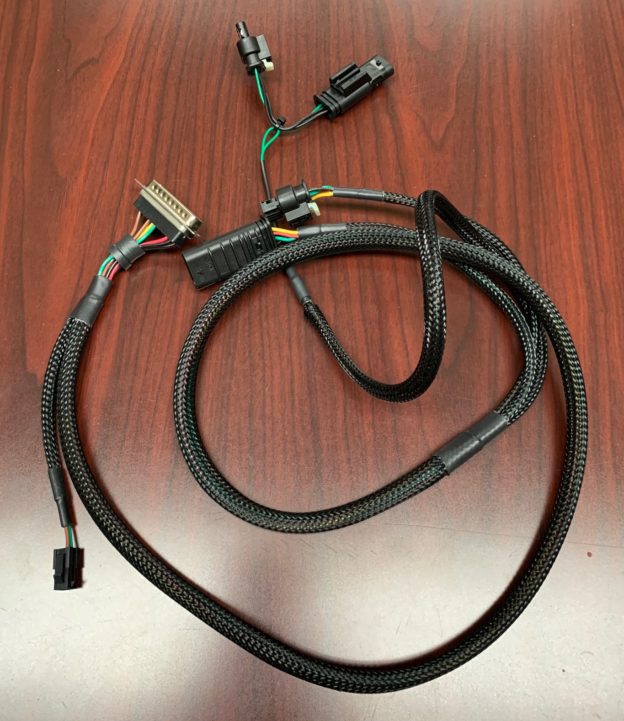
It is important to understand that a wire harness is different than a cable harness. A wire is a single conductor, while cables are two or more wires that are insulated being wrapped in a larger jacket. These two technologies demand their own set of unique tools, fixtures, and machinery to help reduce production costs. Knowing exactly what type of product being used is crucial to perfectly create your designs.
Wire harnesses generally do not need much to work with and is generally an inexpensive and cost-efficient way for many people to solve their electrical needs. With a single machine, one can increase their production capabilities because of the relative simplicity of wires in general.
A wire harness is a method that incorporates several point-to-point cable assemblies together into one conclusive assembly. They are generally held together using cable ties or some form of protective sleeve used to protect the wires or cables from environmental conditions like moisture, heat or friction, and to organize the different breakouts for easy routing through a system or box build.
What Can Wire Harnesses be Used For?
Though you might confuse a wire harness for a cable assembly, there is one main difference and that is a wire harnesses usually contains several ends or breakouts, running in different directions, serving multiple functions with multiple terminations on each breakout.
A custom wire harness can be used in durable goods like household appliances, in and around engines of all kinds – automobiles, buses, locomotives, trucks, and even planes. Electronic equipment, construction machinery, industrial equipment, HVAC products all use wire harnesses as well.
Located in Carson, California, ACME PCB Assembly utilizes top of the line technology from Schleuniger to perfectly cut, strip, and process any wire or cable you need. After 27 plus years in the business, ACME PCB Assembly has the experience to be your contract manufacturer for cable & wire harness projects. As an IPC-A-610 certified assembler with a certified trainer in house, you can be rest assured the cables and wires that come out of ACME will exceed the standards.
ACME PCB Assembly offers Wire harness Services Contact Us.
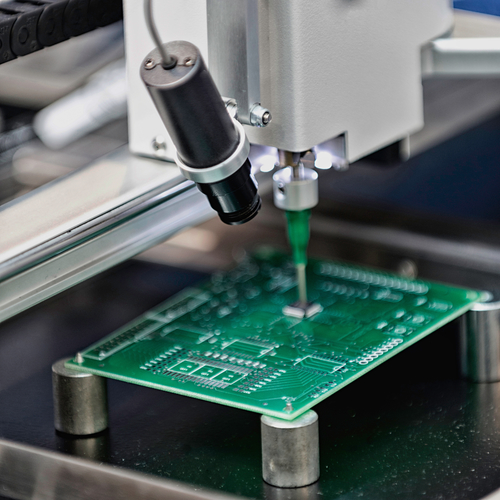
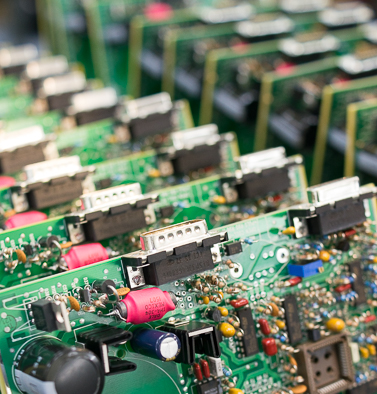
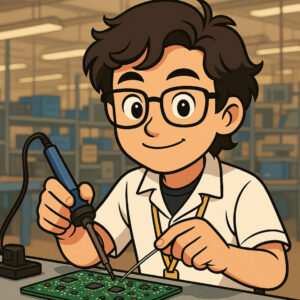 You are looking for a printed circuit board turn-key assembly provider for a new product. When you call up a printed circuit board manufacturer, the first question you are likely to get is, “Do you want full turn key service or partial turn key service?” What is the difference between full and partial turn key service, and what is the best option for you?
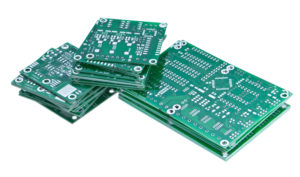 The full turn key service is just like what it sounds. The printed circuit board turn-key assembly provider does all the work. They provide the circuit boards, order all the parts, and fabricate the circuit order. Basically, all you need to do is put in the order. The PCB assembly provider might even be able to help you develop the necessary plans and parts list to get your project off the ground. While a full turn key service will be more expensive than partial turn key service, it can save you a lot of hassle and headaches, especially if you are new to the world of printed circuit boards.
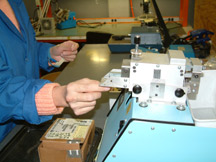
 For a long time, lead has been part of the soldering process, which is critical to making printed circuit boards. Here at


