Author Archives: Erin

BGA inspection

How BGA Assembly Improves Performance in Modern Electronics

In the world of modern electronics, achieving optimal performance, reliability, and miniaturization is essential. Ball Grid Array (BGA) Assembly has emerged as a key technology in printed circuit board (PCB) manufacturing, enabling high-speed performance and superior durability. As industries continue to push for more compact and efficient devices, BGA Assembly plays a critical role in ensuring electronic components meet rigorous demands.

What Is BGA Assembly?
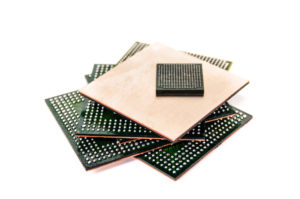
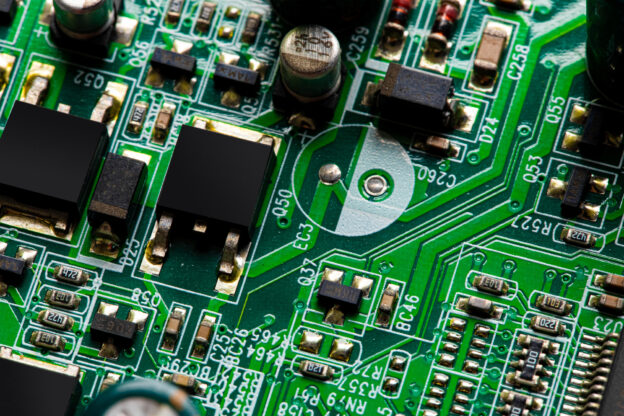
Processor with ball BGA pinsBGA (Ball Grid Array) is a surface-mount packaging technology that enhances electrical and thermal performance in PCBs. Unlike traditional dual in-line or quad flat packages, BGA uses an array of solder balls beneath the component rather than protruding pins. These solder balls establish electrical connections to the PCB, offering better heat dissipation, signal integrity, and mechanical stability.

Key Advantages of BGA Assembly

1. Higher Performance and Reliability

With shorter electrical pathways, BGA assembly improves signal transmission speeds and reduces interference. This design ensures lower inductance and resistance, making it ideal for high-frequency applications such as processors, graphics cards, and networking devices.

2. Better Heat Dissipation

Excessive heat is a major concern in compact electronic devices. The BGA package efficiently dissipates heat due to its larger contact area and direct connection to the PCB. This improved thermal performance extends the lifespan of components, reducing the risk of overheating failures.

3. Enhanced Miniaturization

Modern electronics demand smaller yet more powerful components. BGA Assembly allows for higher pin counts in a compact space, enabling manufacturers to fit more functionality into smaller devices. This is crucial in mobile phones, wearables, and high-performance computing systems.

4. Stronger Mechanical Connections

Unlike traditional leaded packages, BGA solder joints are less prone to mechanical stress and vibration-related failures. The spherical solder connections provide better adhesion, enhancing the overall durability of the PCB.

Applications of BGA Assembly in Modern Electronics

BGA technology is widely used across various industries, including:

  • Consumer Electronics – Smartphones, tablets, laptops, and gaming consoles rely on BGA packaging for their processors and memory chips.
  • Automotive Electronics – Advanced driver-assistance systems (ADAS) and infotainment systems benefit from BGA’s superior reliability in harsh conditions.
  • Medical Devices – Wearable health monitors and imaging equipment require compact and high-performance PCBs.
  • Telecommunications & Networking – Routers, 5G infrastructure, and high-speed networking equipment utilize BGA Assembly for improved signal integrity.

Ensuring Quality in BGA Assembly
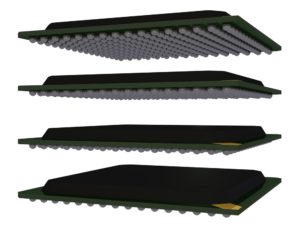
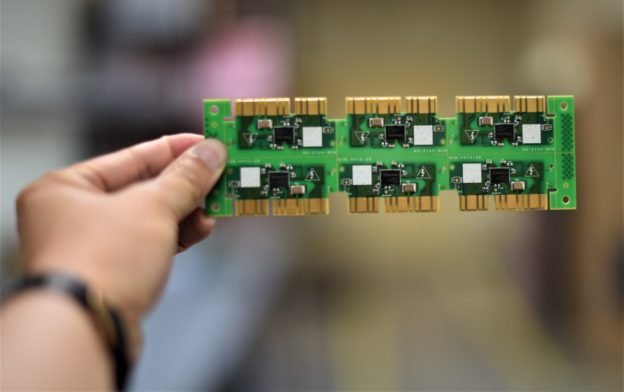
BGA-boardsWhile BGA Assembly offers numerous benefits, ensuring flawless soldering and defect-free connections is crucial. Advanced techniques like X-ray inspection and reflow soldering help detect hidden defects and guarantee the highest level of precision.

At Board Assembly, we specialize in high-quality BGA Assembly with state-of-the-art manufacturing techniques. Whether you need custom PCB solutions, rework services, or advanced testing, our expert team ensures reliable and high-performance electronic assemblies.

As electronics continue to evolve, BGA Assembly remains a critical technology for improving performance, efficiency, and reliability. By offering better heat dissipation, superior signal integrity, and enhanced miniaturization, BGA technology is shaping the future of high-performance devices.

To learn more about our BGA Assembly services, visit Board Assembly’s BGA Assembly page and discover how we can optimize your electronic designs.
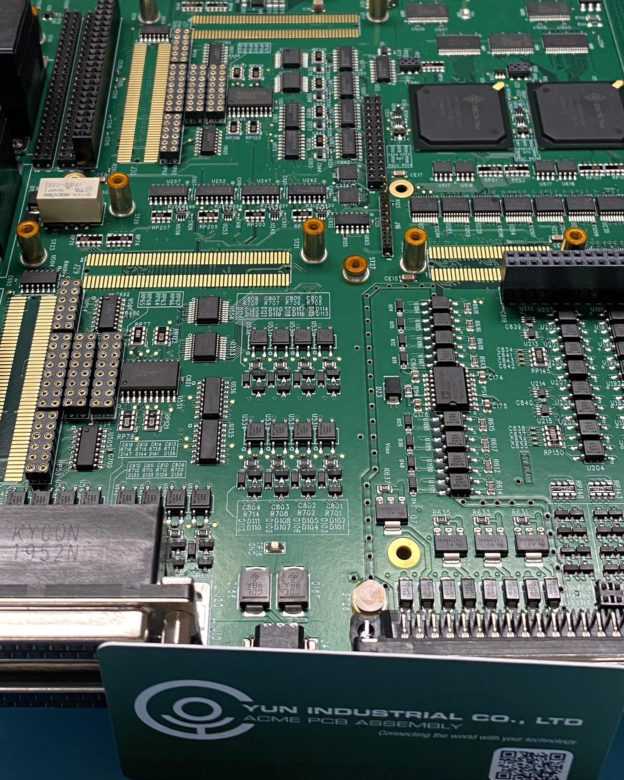
pcb-fabrication-and-assembly-near-me

Conformal Coating Service

Why apply conformal coating?

Printed Circuit Boards (PCB) is the core of everyday life as most electrical devices can not function without one. From everyday life to military and medical situations, a PCB must be able to withstand the wear and tear of time and other elements. Conformal coating is designed to protect Printed Circuit Board (PCB), and related equipment from their environment. Typically applied at 0.001 inches to 0.003 inches on the PCB. It is a protective nonconductive dielectric layer that is applied to the assembled printed circuit boards to protect the electronic product from damage due to contamination, salt spray, moisture, fungus, dust, and corrosion caused by the harsh or extreme environment.

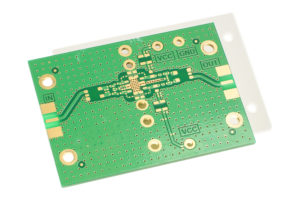
Solder Mask on Printed Circuit BoardsACME PCB Assembly happens to offer three different kinds of conformal coating for our valuable customers. The acrylic conformal coating is a low viscosity coating that is cured through drying and isn’t too resistant to chemicals but hardens quickly. The Urethane conformal coating is also a low viscosity coating, however, is cured through crosslinking with strong resistances to chemicals. Silicone conformal coating is a very viscous coating that is applied through swirl technology with high chemical resistances.
Below is a graph that shows the characteristics of the conformal coatings ACME PCB Assembly provides.

Acrylic conformal coating Urethane conformal coating Silicone conformal coating
Viscosity Low Low High
Typical applicator technology Film coating Film coating / Swirl Swirl
Curing Drying Crosslinking Crosslinking
Volatile Organic Compound (VOC) Yes Yes No
Chemical resistance Low High High
Thermal span Low Low High
Glass Transition Temp Low Low N/A
Repairable Solvents Solvents & Mechanical.


May result in stratified coating after repair.


Solvents & Mechanical.


May result in stratified coating after repair.


Call 310-715-1898 or email steve@acme-pcbassembly.com for a free quote.

ACME Go Green for the Environment

ACME PCB Assembly: A Greenhouse for Sustainable Electronic Manufacturing

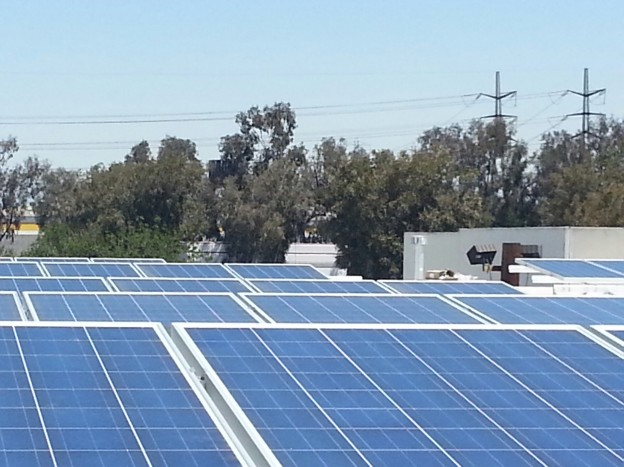
BGA assemblyACME PCB Assembly is setting a remarkable example of sustainability in electronic manufacturing by leveraging renewable energy. Their solar panel system, which generates 64.2KW, offers incredible environmental benefits. Over the next 30 years, this PV system is projected to offset 4,136,092 pounds of CO2 emissions, reduce particulates linked to asthma by 817 pounds, and equate to taking 21.8 cars off the road for 25 years or planting 35.5 acres of trees. Impressive, isn’t it? A well-deserved round of applause for ACME PCB Assembly!

The drive to “go green” stems from more than just a desire to conserve nature. It’s about fostering economic growth, ensuring social and physical well-being, and securing a sustainable future. As industries like electronics heavily rely on natural resources, the shift to eco-conscious practices is both necessary and urgent.

According to EcoWatch, the depletion of resources vital to powering economies and improving livelihoods is an escalating environmental and economic concern. Non-renewable materials, essential for many industries, are being exhausted at alarming rates. Even renewable resources face challenges, as their replenishment often requires significant time. The experts emphasize the pressing need for industries to adopt sustainable strategies to mitigate these risks.

Why Sustainability Matters

The electronics industry relies heavily on natural resources, making the shift to sustainable practices both urgent and necessary. According to environmental experts, the depletion of non-renewable resources is accelerating, while even renewable resources require significant time to replenish. Without action, industries risk exhausting the materials vital to powering economies and improving livelihoods.

At ACME PCB Assembly, we recognize this challenge and are taking proactive steps to address it. By adopting green manufacturing practices, we’re not only conserving resources but also inspiring others to follow suit.

Join the Green Revolution

Sustainability is the future of manufacturing, and ACME PCB Assembly is leading the way. By leveraging renewable energy and eco-friendly processes, we’re proving that innovation and environmental responsibility go hand in hand.

Learn more about how we’re transforming electronic manufacturing at ACME PCB Assembly. Together, we can build a greener, more sustainable future.

At ACME PCB Assembly, sustainability is not just a buzzword—it’s an operational standard. By integrating green practices into their processes, they are not only reducing their ecological footprint but also inspiring others to follow suit.

Curious to learn more about how ACME PCB Assembly is leading the way in green electronic manufacturing? Contact us today and discover how sustainability can power innovation.

Contact us for more information how we go green in our processes.  


Printed Circuit Boards

Is it Possible to Recycle Your Unused Printed Circuit Boards?

We will be discussing the issue of PCB recycling, if it’s even possible, how it is done and what can we do as electronics design engineers to create more recyclable PCBs. When we say PCB we are meaning a PCB without any components on it.  Most electronic devices found out there have their components sitting in a nice looking Printed Circuit Board or PCB.  Since electronic devices are in high demand, PCBs are everywhere. Making sure their materials can be collected and reused instead of just throwing them into a landfill would potentially be a smart and environmentally sensible move if performed properly.

Remember that large order of printed circuit boards you ordered? You thought it would be a good idea to have a surplus of parts on hand in case you needed to increase production of your product line. Unfortunately, that product got discontinued, so now you have a huge stash of PCBs taking up room in your warehouse and on your accounting books. It is time to trash them?

Not so fast! In many cases, printed circuit boards can be reworked and modified. Do you have another electronic or computerized product in the works? Then contact ACME PCB Assembly  we may be able to re-purpose your PCBs. Our workers are highly trained in de-soldering and re-soldering surface mounted electronic components. We have also invested in specialized equipment that can assist us in these efforts.

Can you recycle your old PCB?

Yes and no, before coming to a final decision let’s first see what a PCB is made of. A PCB is basically a layered sandwich of copper and FR-4. FR-4 is a fiberglass with an epoxy resin that has the purpose of bonding the fiber together and as an adhesive, it is also flame resistant. Apart from that, you can also find tin and small traces of gold and silver.

Don’t throw out unused printed circuit boards.

Give us a call today to learn how we could possibly turn them into components for your next big product!

PCB Assembly service in Los Angeles

Building Your Next Big Idea for 2026

Turn Your Big Idea Into a Prototype

Have you been sitting on a great idea, waiting for the perfect moment to bring it to life? As the New Year approaches, many entrepreneurs start planning for growth, innovation, and new business opportunities. If 2026 is the year you want to finally turn your invention into a reality, you’re not alone—and you don’t have to do it by yourself. While creating a new product can seem overwhelming, there are experienced companies and manufacturing partners ready to help you through every stage of development.

pcb-prototypeOne of the most important steps in bringing any new electronic device to market is completing the prototype phase. A prototype doesn’t just prove that your idea can work; it becomes the foundation for improving your design, testing functionality, pitching investors, and preparing for manufacturing. At ACME PCB Assembly, we specialize in helping inventors, entrepreneurs, and start-ups build the printed circuit boards (PCBs) their products depend on.

If you’re unsure about the exact schematics or specifications needed for your PCB design, that’s completely normal. Many innovators come to us with only a concept. Our team guides you from the earliest planning stages through schematic design, PCB layout, and full board assembly. When it comes to the rest of your invention—housing, mechanical components, or product finishing—other vendors can step in to complete your final prototype. ACME’s goal is to ensure that the electronic heart of your device is built correctly, efficiently, and with the quality required for successful testing.

Before long, you’ll have a working prototype in hand—something you can show investors, demonstrate to potential partners, test in real environments, or use to prepare for production. ACME PCB Assembly serves as your reliable resource for prototype Printed Circuit Board Assembly (PCBA). Our certified IPC trainer ensures that every prototype meets industry quality standards. We can assemble boards by hand for low-quantity builds ranging from a single unit up to 50 pieces, ideal for early testing phases.

When you’re ready to scale, ACME PCB Assembly offers smooth transition into higher-volume production. Our FUJI SMT pick-and-place line allows us to handle runs from 1-piece prototypes up to 10,000-piece production batches. Few PCB partners offer such flexibility, making ACME the ideal choice for both early-stage innovators and growing companies.

ACME provides a complete suite of PCB Assembly Services, including SMT, Through-Hole, BGA, rework, lead-free assembly, turnkey solutions, and more. We also offer additional manufacturing support such as Injection Molding and Metal Work & Finishing—giving clients access to an end-to-end approach when preparing their products for market.

We provide a complete suite of PCB Assembly Services, including rework and modification, BGA, SMT, Turnkey, Thru-Hole, Lead Free, and Prototype assembly, plus an extensive line of add-on services, such as Injection Molding and Metal Work & Finishing.  ACME PCB Assembly has been providing Electronic Manufacturing Services (EMS) and Printed Circuit Board (PCB) assembly for 27 years.

Ready to turn your idea into a prototype? Visit our PCB assembly service page and get started today:

Contact us today to get started prototyping the printed circuit boards you need.