 Back Home
When designing high-performance electronic devices, engineers often choose advanced packaging techniques like Ball Grid Array (BGA) assembly to achieve greater functionality and improved electrical performance. BGA packages provide higher interconnect density, better thermal and electrical characteristics, and superior reliability compared to traditional pin-based components — making them a staple in cutting-edge electronics.
BGA assembly services play a critical role in bringing modern electronics to life. Unlike conventional leads or flat contacts, BGA components feature a grid of tiny solder balls on the underside that connect directly to a PCB’s pads. This structure enables a higher number of I/O connections in a smaller footprint, driving miniaturization and performance in industries such as telecommunications, automotive systems, and consumer electronics.
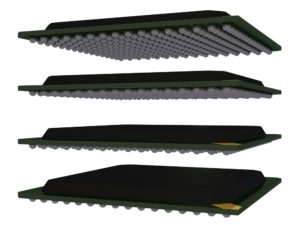 One of the primary advantages of BGA components is their enhanced electrical performance. By placing solder connections directly beneath the package, signals travel shorter distances with reduced parasitics, which boosts signal integrity. Improved thermal performance also helps distribute heat efficiently — critical for processors, FPGAs, and high-speed RF modules.
Despite the performance benefits, BGA assembly requires precise control over solder paste application, component placement, and reflow profiles. Sophisticated assembly equipment and experienced technicians are required to ensure consistent solder joints and prevent defects such as tombstoning, voids, or misalignment. Partnering with a specialized provider like BoardAssembly guarantees access to advanced reflow ovens, inspection technology, and process expertise.
A key part of successful BGA manufacturing is inspection. Traditional visual checks are insufficient for BGA joints, as solder connections are hidden beneath the package. Instead, assembly partners rely on X-ray inspection and automated optical inspection (AOI) to detect bridging, voids, or incomplete connections — ensuring boards meet performance and reliability expectations.
Integrating BGA assembly with broader electronic manufacturing services (EMS) creates a seamless workflow from prototyping to full production. Collaborating with an EMS provider ensures that BGA components are incorporated alongside SMT and thru-hole parts, managed within a controlled supply chain and supported by quality systems.
When considering a BGA assembly partner, engineers should explore capabilities such as process traceability, compliance with industry standards, and experience handling complex designs. These factors reduce risk and improve production outcomes, especially for mission-critical applications.
In summary, BGA assembly services are essential for high-density, high-performance PCB manufacturing. Leveraging experienced assembly partners and advanced inspection tools enables engineers to push design boundaries while maintaining reliability and manufacturability. Discover BoardAssembly’s BGA assembly capabilities at https://boardassembly.com/bga-assembly/.


