Tag Archives: compact PCB design

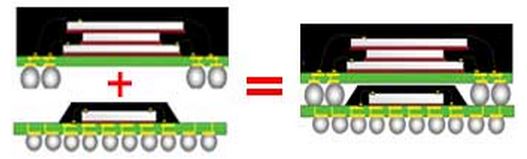
2 BGAs or More vertical installing.

The Rise of Package on Package (PoP) in PCB Assembly

In the ever-evolving landscape of electronics manufacturing, Package on Package (PoP) technology is transforming how circuit boards are designed and assembled. First gaining traction in the early 2000s, PoP is now considered one of the most innovative advances since the introduction of Ball Grid Array (BGA) components in the mid-1990s.

At its core, PoP is an integrated circuit packaging method that vertically stacks two or more BGA packages—typically combining a logic processor and memory component. This space-saving configuration allows for compact, high-performance assemblies ideal for smartphones, wearables, medical devices, and advanced industrial electronics.

The Advantages of PoP Technology

The primary benefit of PoP technology lies in its ability to reduce external pin count through package-level system integration. By stacking chips vertically, engineers can achieve a smaller footprint without sacrificing power or performance. This simplification not only optimizes PCB layout efficiency but also improves overall product reliability by minimizing interconnect lengths and signal interference.

Depending on the configuration, PoP packages can reach a total height as low as 1.4mm, making them perfect for compact devices where every millimeter counts. Additionally, PoP assemblies support independent testing of logic and memory layers, resulting in higher manufacturing yields and easier defect isolation during production.

ACME PCB Assembly: Leading the Way Since 2009

Since 2009, ACME PCB Assembly has been a leader in adopting and refining PoP technology. Utilizing advanced FUJI assembly lines and precise reflow soldering techniques, ACME delivers reliable PoP BGA assemblies for both prototype runs and medium-batch production.

From single-unit builds to production runs of up to 20,000 pieces, ACME’s skilled technicians ensure precise alignment, solder integrity, and quality control at every stage. This allows clients to seamlessly integrate high-density packaging into their next-generation designs—accelerating time to market while maintaining exceptional performance standards.

Whether you’re developing consumer electronics, industrial control systems, or medical devices, PoP technology offers a compact and efficient solution.

Embrace the Future of PCB Assembly

2 BGAs or More vertical installing.

ACME PCB Assembly is your trusted partner for Package on Package assembly, offering experience, precision, and scalability for your most advanced designs. Contact Board Assembly today at 310-715-1898 to learn how PoP can enhance your next project.
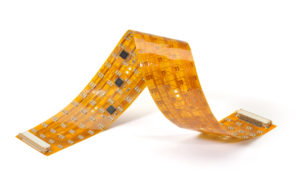
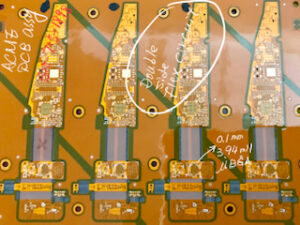
Flexible Circuit board

Flexible PCB Assembly: Benefits and Challenges

As modern electronics continue to shrink in size while growing in complexity, Flexible PCB Assembly has emerged as a game-changing solution. From medical devices and smartphones to aerospace systems and wearables, flexible printed circuit boards (FPCBs) are paving the way for innovative designs that were once considered impossible with rigid boards. But like any technology, flexible PCB assembly brings both impressive advantages and unique challenges.

At BoardAssembly.com, we specialize in delivering high-quality flexible PCB solutions tailored to meet the exact specifications of our clients. Here’s what you need to know if you’re considering flexible PCB assembly for your next project.


Benefits of Flexible PCB Assembly

1. Design Versatility

Flexible PCBs can bend, twist, and fold, making them ideal for applications where space is limited or irregular. Their lightweight and thin profile enable designers to build products that are more compact, ergonomic, and durable.

2. Space and Weight Savings

Compared to traditional rigid boards, flexible circuits significantly reduce the overall weight and size of the electronic assembly. This is crucial in industries like aerospace, military, and medical technology, where every gram matters.

3. Improved Reliability

Because they eliminate the need for connectors and cables between separate rigid boards, flexible PCBs reduce connection points—one of the most common sources of failure. Fewer solder joints also mean fewer opportunities for mechanical failure.

4. Cost-Effective for Complex Assemblies

Although the upfront costs may be higher, flexible PCB assemblies can ultimately reduce the total cost of ownership by consolidating components and simplifying assembly processes, especially in high-density designs.


Challenges of Flexible PCB Assembly

1. Complex Manufacturing Process

The materials and manufacturing techniques required for flexible PCB assembly are more advanced than for traditional rigid boards. Precise handling, specialized equipment, and expert design are necessary to avoid defects.

2. Higher Initial Costs

Due to the specialized materials and processes, flexible PCBs generally cost more to prototype and manufacture than standard PCBs. However, these costs are often offset by savings in assembly and system integration over time.

3. Thermal and Mechanical Sensitivity

Flexible boards are more susceptible to damage from excessive heat or mechanical stress during the assembly process. Controlled environments and skilled technicians are crucial to maintaining the integrity of the board.


Is Flexible PCB Assembly Right for You?

If your project demands lightweight construction, space-saving design, and high reliability, Flexible PCB Assembly may be the perfect fit. At BoardAssembly.com, we combine technical expertise, cutting-edge equipment, and a commitment to quality to provide custom flexible PCB solutions that meet today’s toughest demands.

Whether you’re working on wearable tech, compact medical devices, or next-gen consumer electronics, our team is ready to help bring your vision to life. Contact us today to learn how flexible PCBs can transform your design and production process.