 Back Home
-
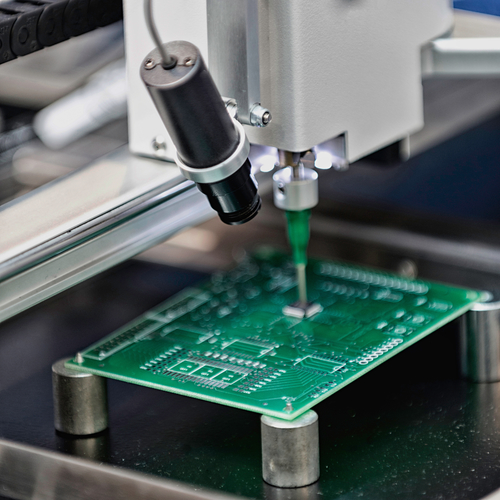 In the ever-evolving world of electronics manufacturing, choosing the right assembly method is crucial for optimizing both performance and cost-efficiency. Two prominent techniques in this realm are Surface Mount Technology (SMT) and Through-Hole Technology. Each has its own advantages and drawbacks, making it essential to understand their unique characteristics and applications. Surface Mount Technology (SMT) has become the industry standard due to its efficiency and versatility. SMT involves mounting electronic components directly onto the surface
-
If you are in need of fully assembled printed circuit boards (PCBs) for your products, but you don’t know where to start, this article will guide you in the right direction. If you don’t have any printed circuit boards or any of the parts, and you certainly don’t want to burden your limited staff with the task of putting all those PCBs together, you will need a full-service PCB assembly provider. ACME PCB Assembly is
-
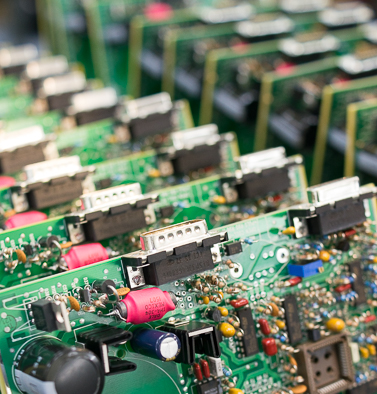 Differences Between Full Turn Key and Partial Turn Key Printed Circuit Board Services You are looking for a printed circuit board turn-key assembly provider for a new product. When you call up a printed circuit board manufacturer, the first question you are likely to get is, “Do you want full turn key service or partial turn key service?” What is the difference between full and partial turn key service, and what is the best option
-
 Is lead-free (Pb-Free) also on your mind? It should be. Lead-free (Pb-Free) will impact almost everyone in the electronics industry – from suppliers of component, board and materials like paste and flux to manufacturers and users of electronics products and equipment. Also expect considerable investment both in human resources and capital equipment. Your relationship with your suppliers and customers will also be tested. There’s a reason that in the United States we no longer allow
-
 The RoHS 2 Directive 2011/65/EU must be transposed into national laws by 2nd January 2013. ACME PCB Assembly ready for RoHS 2 Directive 2011/65/EU entered into force on 21st 2011 and requires the Member States to transpose the provisions into their respective national law by 2nd January 2013. The RoHS 2 Directive is part of the European Union’s horizontal waste management legislation. The RoHS 2 Directive is part of the European Union’s horizontal waste management


