 Back Home
-
 In the world of modern electronics, achieving optimal performance, reliability, and miniaturization is essential. Ball Grid Array (BGA) Assembly has emerged as a key technology in printed circuit board (PCB) manufacturing, enabling high-speed performance and superior durability. As industries continue to push for more compact and efficient devices, BGA Assembly plays a critical role in ensuring electronic components meet rigorous demands. What Is BGA Assembly? BGA (Ball Grid Array) is a surface-mount packaging technology that
 -
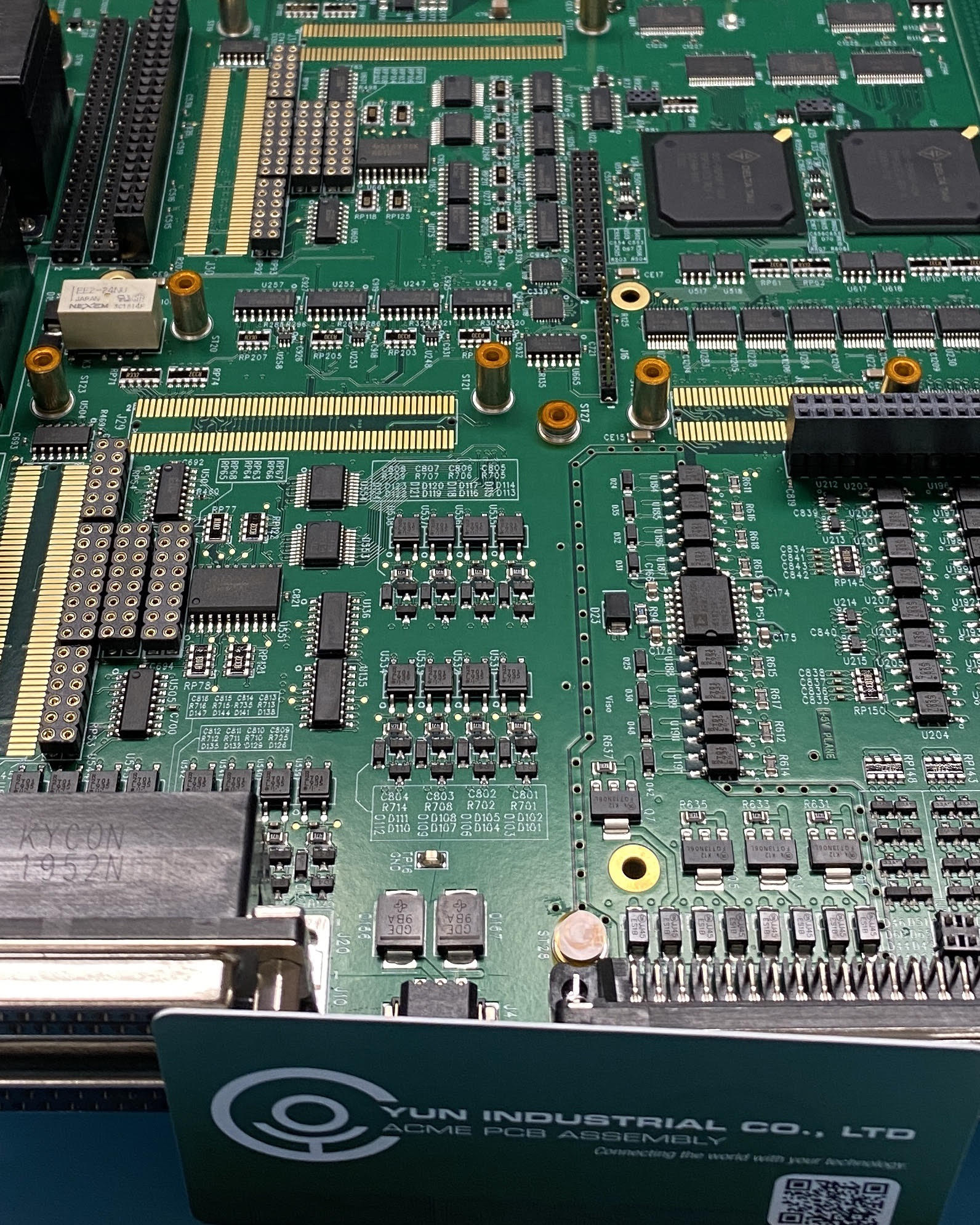 Why apply conformal coating? Printed Circuit Boards (PCB) is the core of everyday life as most electrical devices can not function without one. From everyday life to military and medical situations, a PCB must be able to withstand the wear and tear of time and other elements. Conformal coating is designed to protect Printed Circuit Board (PCB), and related equipment from their environment. Typically applied at 0.001 inches to 0.003 inches on the PCB. It is
 -
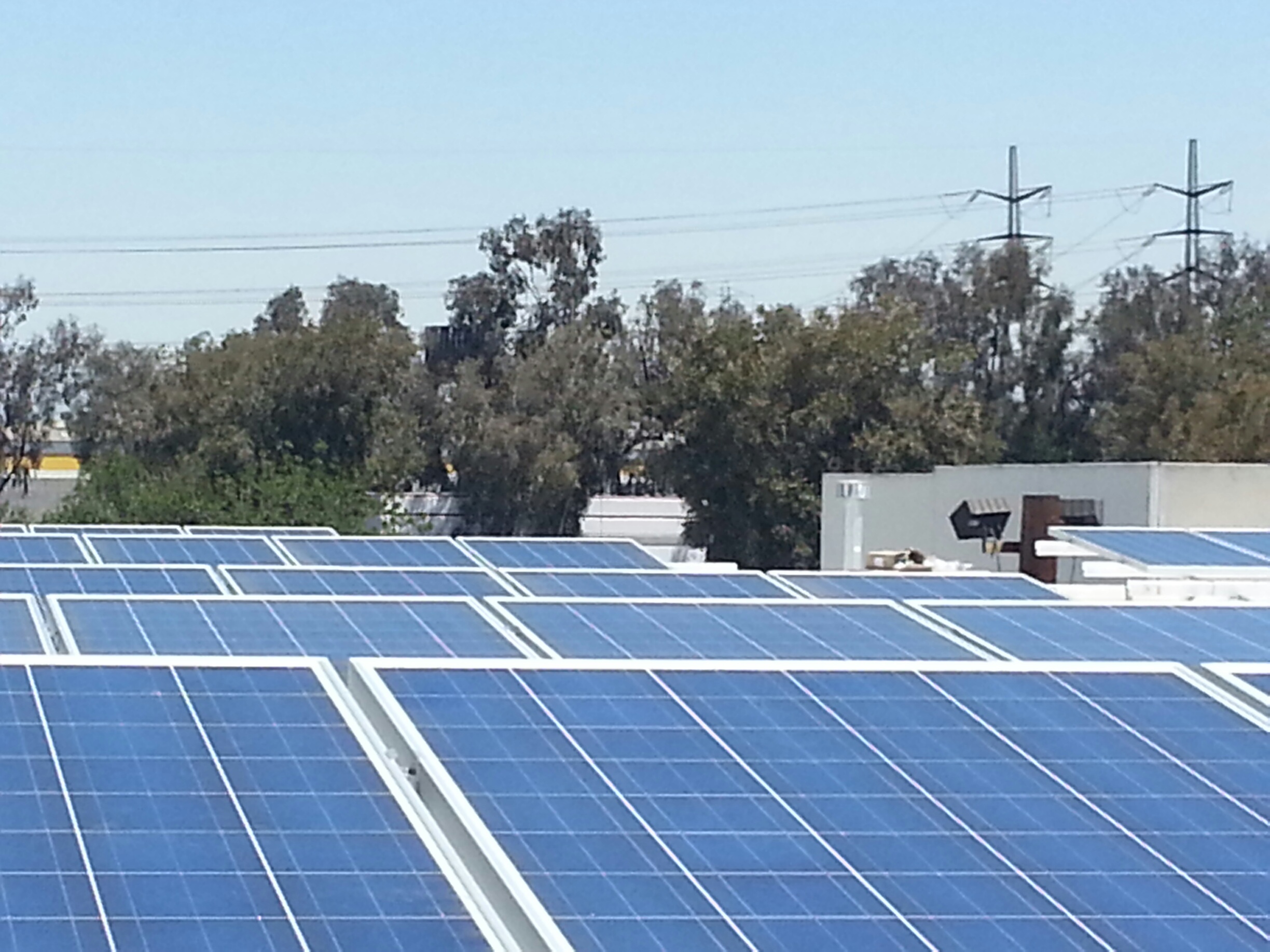 ACME PCB Assembly: A Greenhouse for Sustainable Electronic Manufacturing ACME PCB Assembly is setting a remarkable example of sustainability in electronic manufacturing by leveraging renewable energy. Their solar panel system, which generates 64.2KW, offers incredible environmental benefits. Over the next 30 years, this PV system is projected to offset 4,136,092 pounds of CO2 emissions, reduce particulates linked to asthma by 817 pounds, and equate to taking 21.8 cars off the road for 25 years or
 -
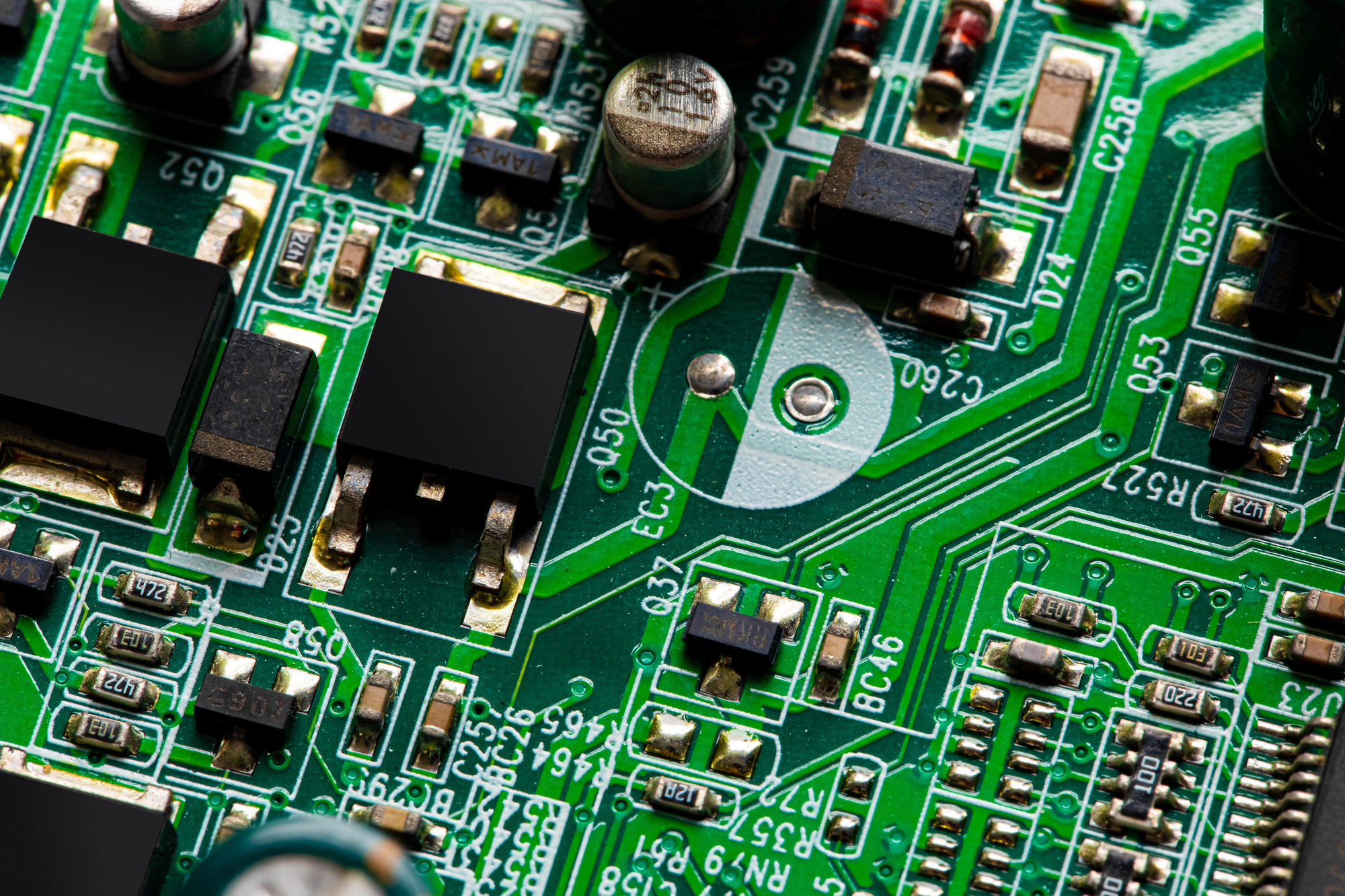 We will be discussing the issue of PCB recycling, if it’s even possible, how it is done and what can we do as electronics design engineers to create more recyclable PCBs. When we say PCB we are meaning a PCB without any components on it. Most electronic devices found out there have their components sitting in a nice looking Printed Circuit Board or PCB. Since electronic devices are in high demand, PCBs are everywhere. Making
 -
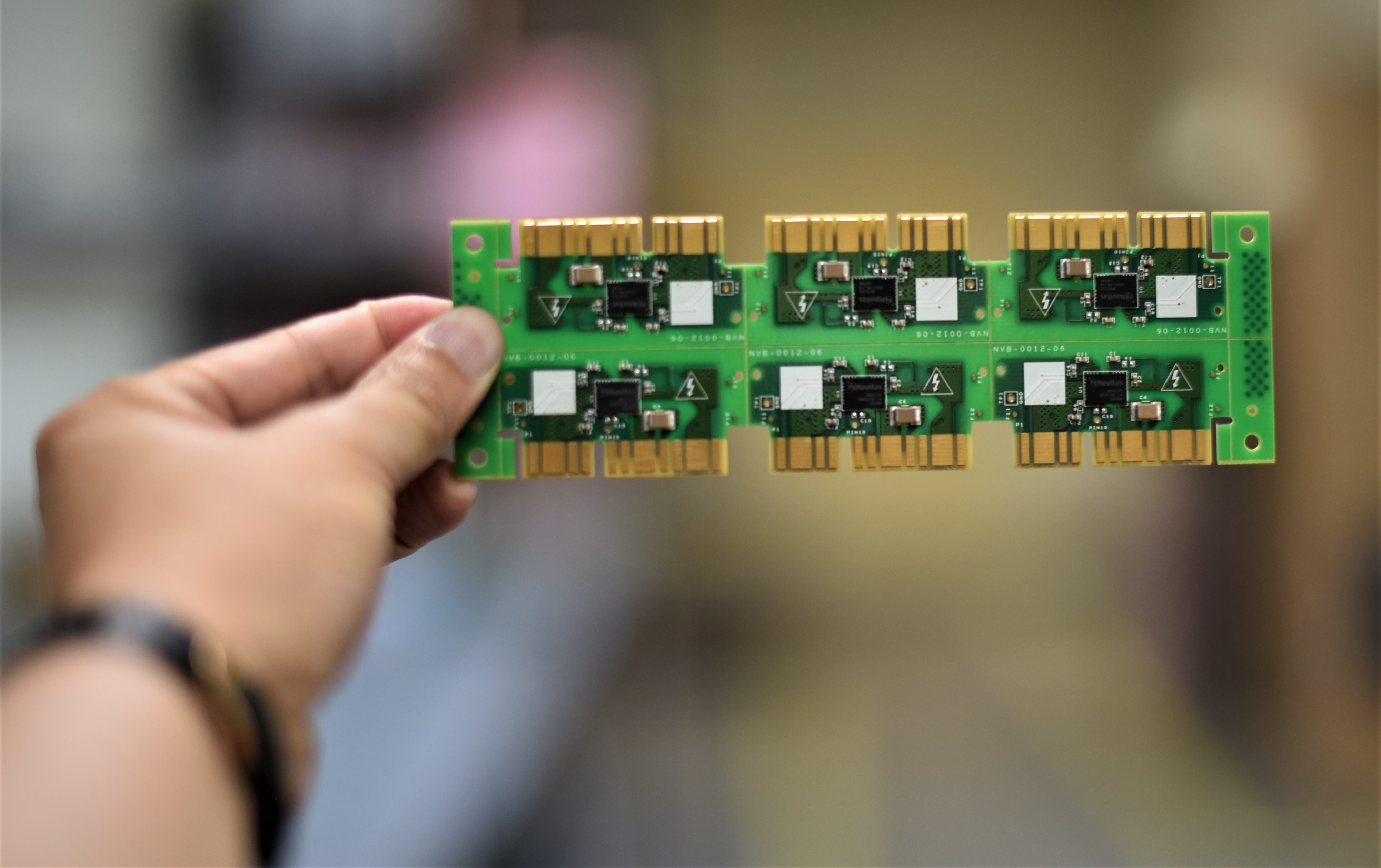 Turn Your Big Idea Into a Prototype Have you been sitting on a great idea, waiting for the perfect moment to bring it to life? As the New Year approaches, many entrepreneurs start planning for growth, innovation, and new business opportunities. If 2026 is the year you want to finally turn your invention into a reality, you’re not alone—and you don’t have to do it by yourself. While creating a new product can seem overwhelming,


