Back Home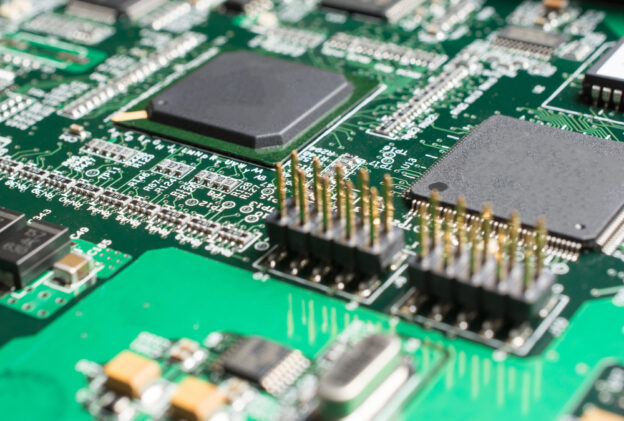
In today’s electronics market, circuitry design and PCB layout play a critical role in product performance, reliability, and manufacturability. As devices become smaller and more complex, many companies choose to outsource PCB design services rather than manage the process entirely in-house. Outsourcing PCB layout and design is not just a cost decision—it’s a strategic move that improves efficiency, quality, and speed to market.
What Does Outsourcing PCB Design Mean?
Outsourcing can be defined as the strategic use of outside resources to perform specialized tasks more efficiently. When companies outsource PCB layout and circuitry design, they gain access to experienced engineers, advanced design tools, and proven workflows—without the overhead of maintaining an internal design team.
Deciding to outsource PCB design can be straightforward when the right process is followed.
Key Stages in the PCB Design Outsourcing Process
Initial Design Review
The process begins with a detailed discussion between your design engineer and the PCB layout specialist. During this stage, requirements such as electrical specifications, signal integrity needs, power constraints, compliance standards, and manufacturing goals are clearly defined. A strong initial design review reduces revisions and ensures the PCB design aligns with your product objectives from the start.
Mechanical Review
Mechanical definition is essential before any components are placed. This stage focuses on creating the board outline and confirming physical constraints. Important considerations include tool holes, break-away panels, fiducial marks, mounting points, and overall product dimensions. Providing enclosure drawings and mechanical specifications ensures the PCB fits seamlessly into the final product and meets all mechanical requirements.
Component Placement and Review
Component placement has a direct impact on assembly cost, performance, and reliability. Poor placement can lead to higher assembly labor, increased failure rates, and long-term reliability issues. An experienced PCB layout provider optimizes component positioning for manufacturability, signal integrity, thermal performance, and efficient assembly—reducing errors and improving yield.
Benefits of Outsourcing PCB Layout and Design
-
Access to experienced PCB design engineers
-
Reduced development time and faster product launches
-
Lower internal engineering and staffing costs
-
Improved design for manufacturability (DFM)
-
Higher quality, lower failure rates, and better long-term reliability
By outsourcing circuitry design, companies can focus on innovation, product development, and core business operations while relying on experts for precision PCB layout.
Partner with Board Assembly for Expert PCB Design
At Board Assembly, we provide professional PCB layout, circuitry design, and manufacturing support to help your products succeed. Our team works closely with your engineers to deliver accurate, manufacturable designs that meet performance and cost goals.